How is a raised deck terrace built?
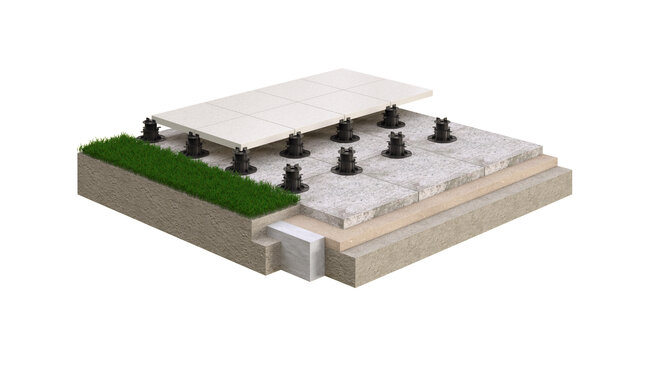
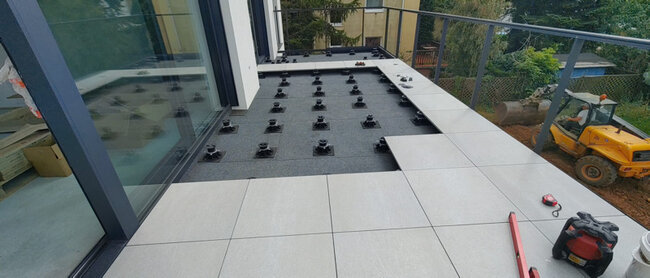
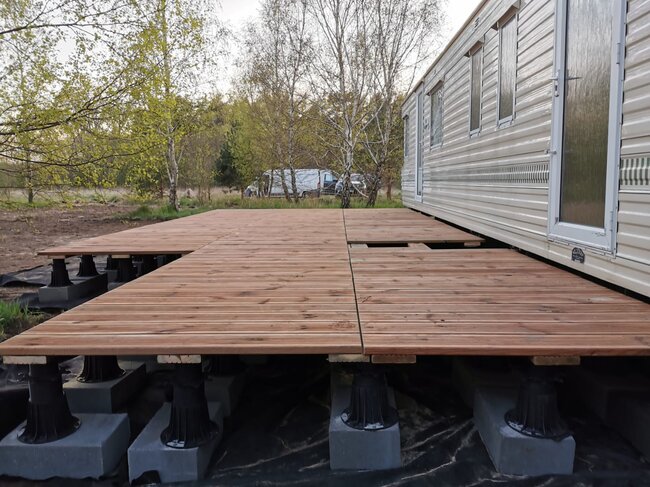
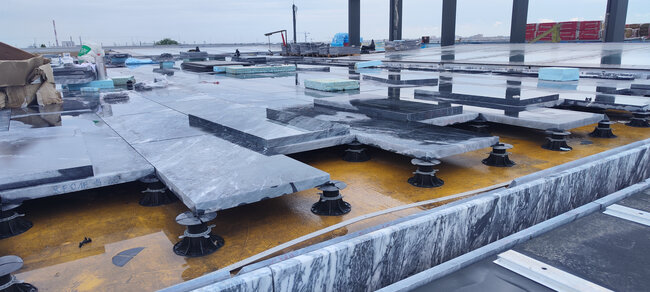
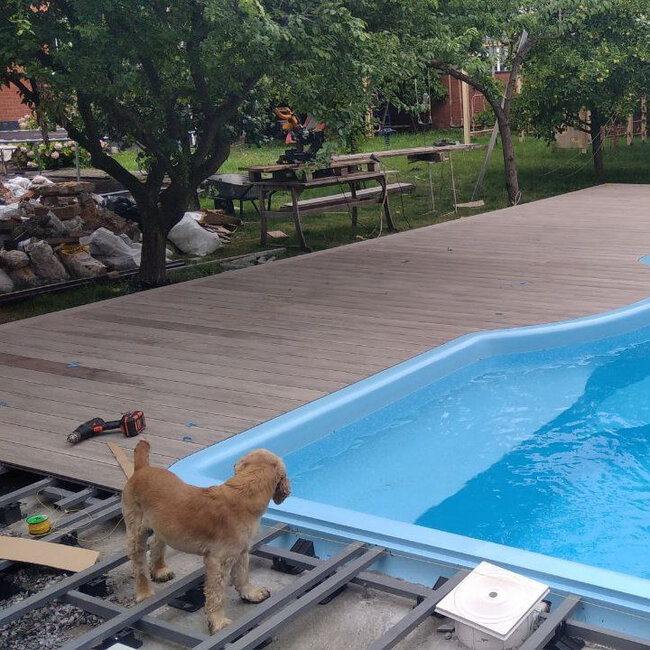
A raised deck terrace is a system consisting of several cooperating elements. Each of them performs a specific function, from load transfer, through height adjustment, to water drainage.
See also: What is a raised deck terrace
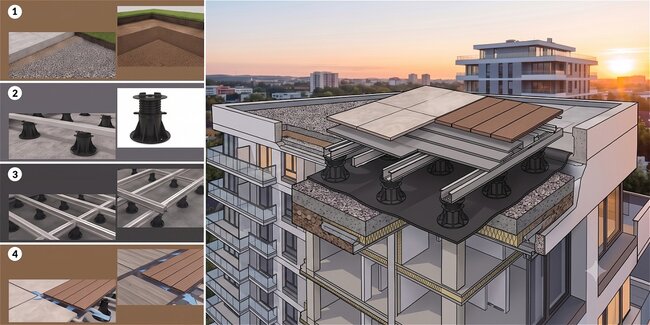
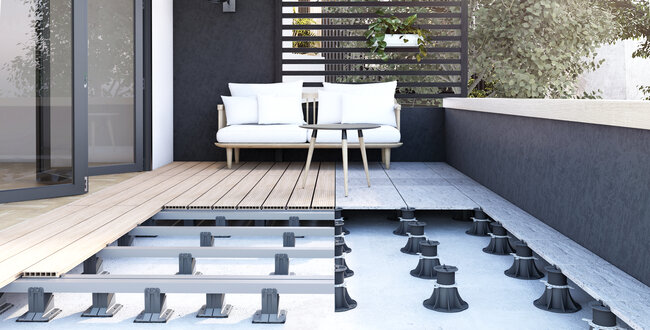
The system consists of four main layers:
- substrate
- pedestals
- substructure (optional)
- surface
Each of these elements affects the durability and functionality of the entire terrace.
1. Substrate
The substrate is the foundation of the entire system.
It can be:
- stabilized ground
- concrete screed
- waterproofing membrane (e.g., on roofs, balconies)
- pavers
- compacted gravel
Its function is:
- transferring loads
- ensuring stability
Key substrate requirements are:
- adequate load-bearing capacity
- slope, on surfaces that require drainage
- level surface - i.e., one that allows for stable placement of pedestals
See also: Drainage of a raised deck terrace - how does it work and how to do it correctly?
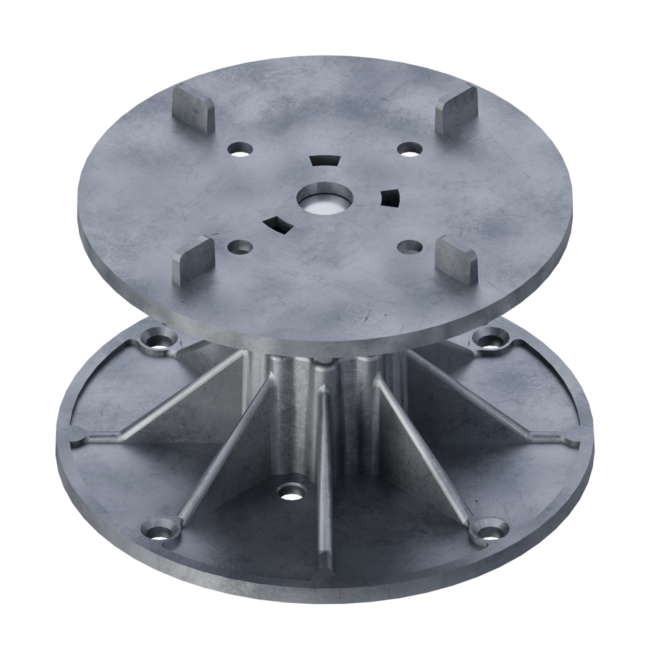
2. Terrace pedestals
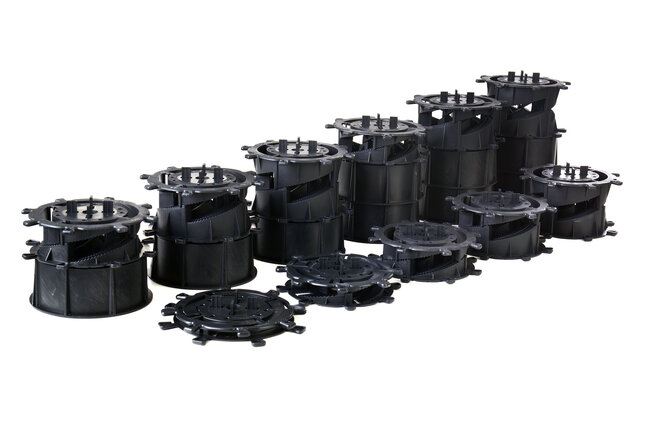
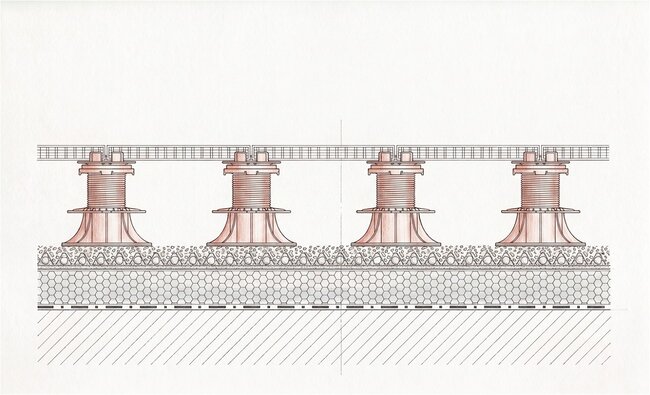
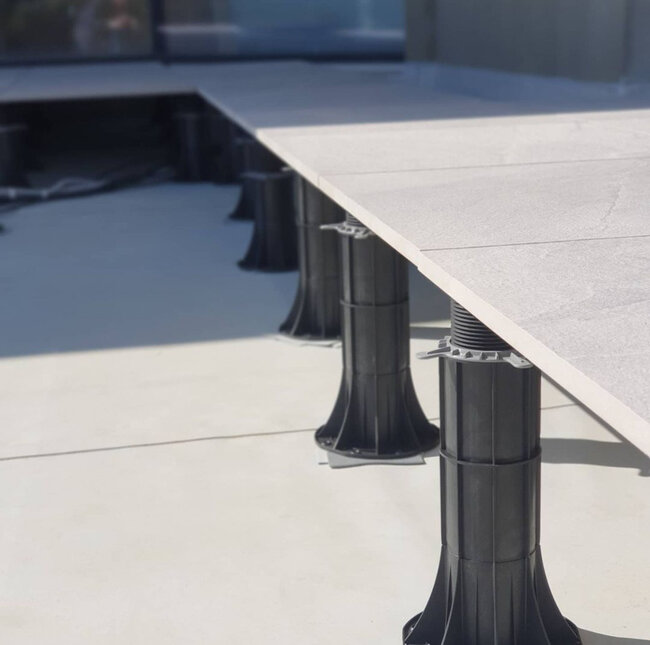
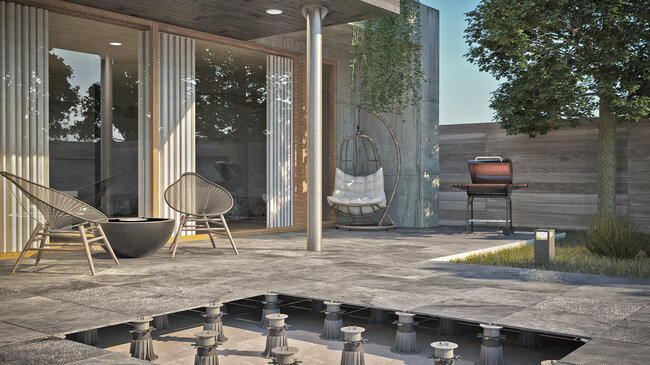
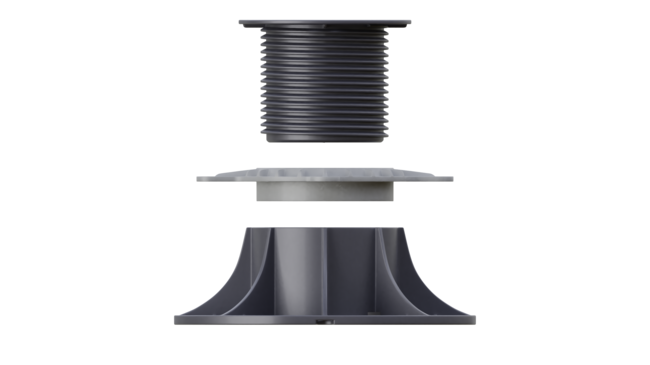
The most important element of the system, which allows for height adjustment, load transfer, and maintaining the safety of the entire system.
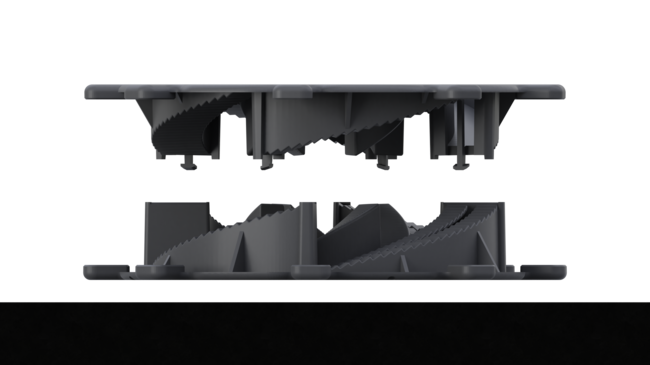
Adjustable pedestals have smooth or stepped height adjustment.
Additional functions of the pedestals include:
- compensation of ground slopes
- quick height adjustment
- waterproofing protection (with support pads)
See also: Adjustable terrace pedestals - application, construction and selection rules
See also: Support pads for terrace pavers – when to use and how to choose?
3. Substructure
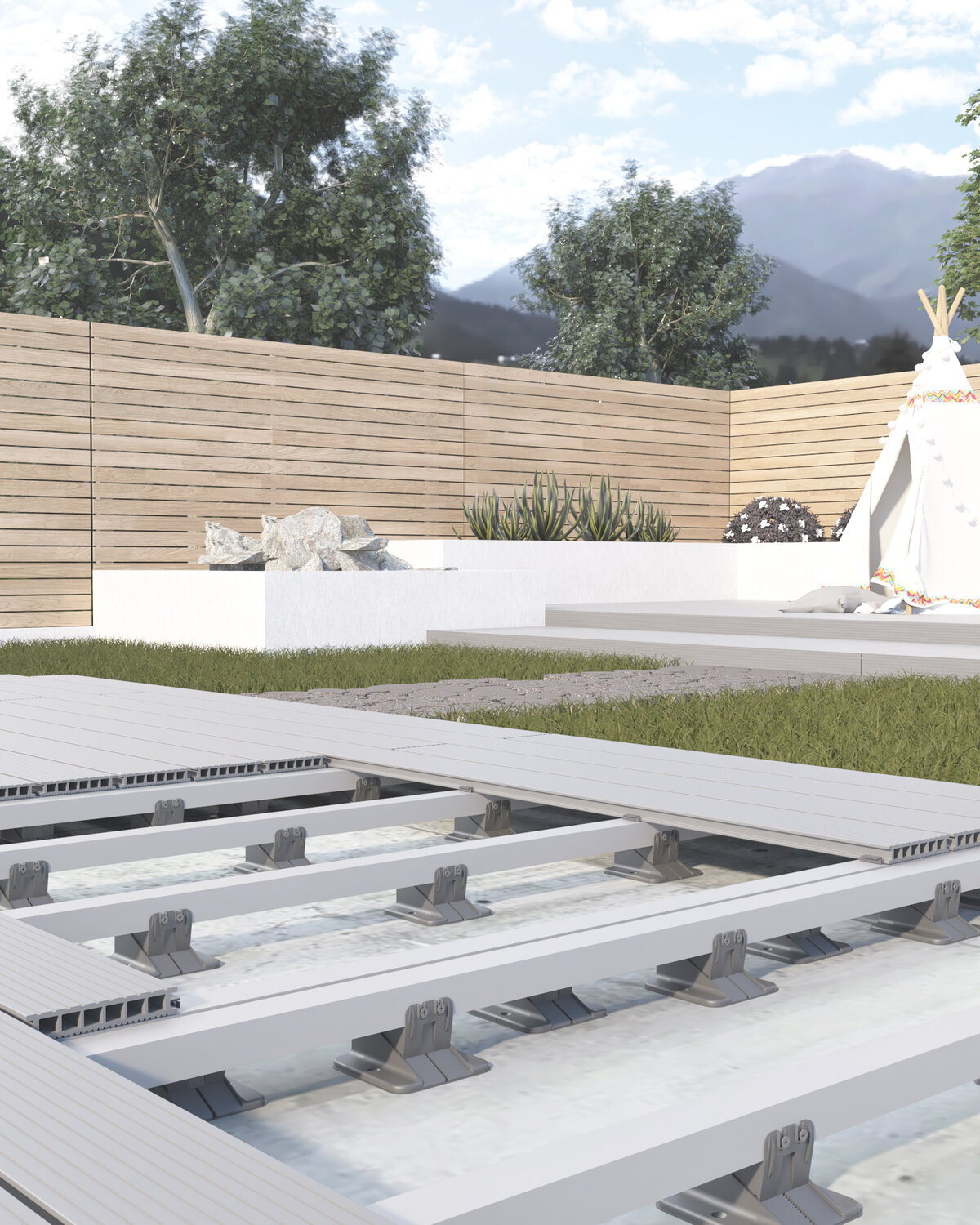
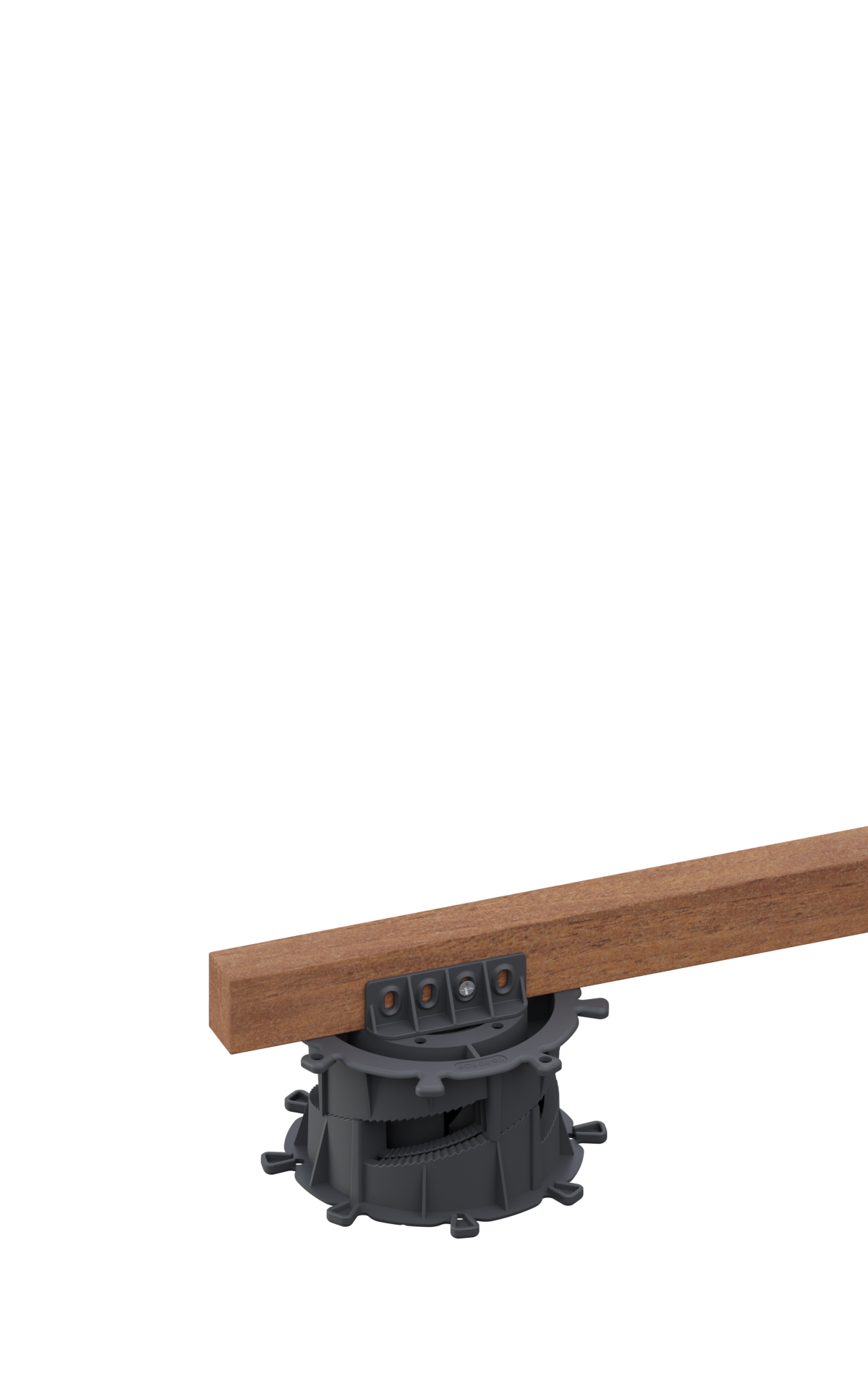
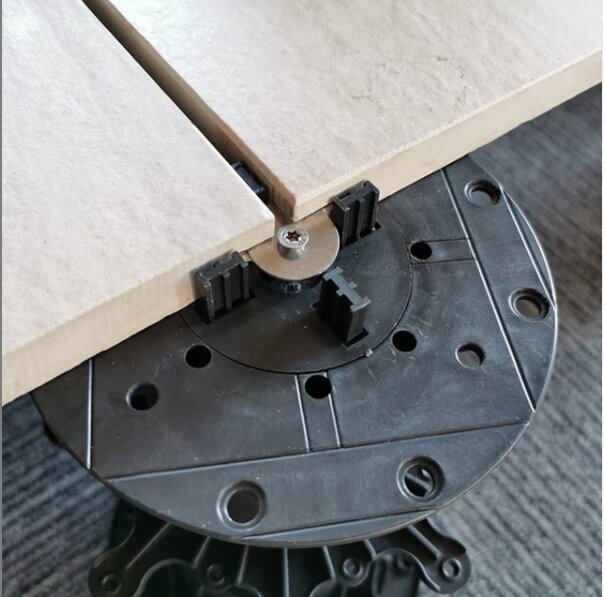
Used for terraces made of decking boards (WPC or wood), or for terraces with pavers that require additional protection against cracking/lifting by wind.
For terraces with decking boards, it consists of aluminum / composite / wooden joists.
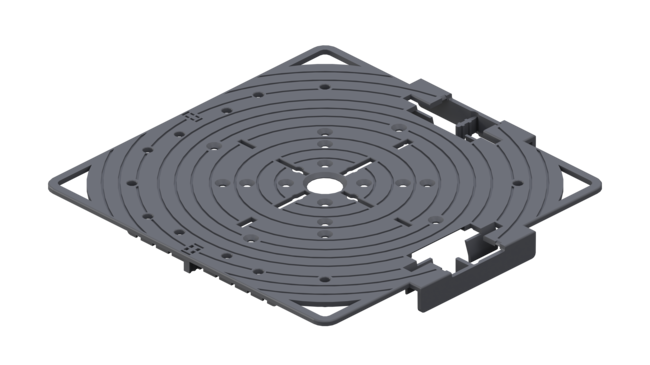
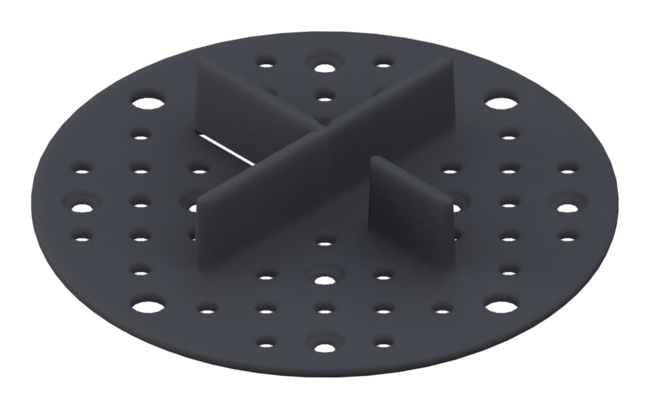
For terraces with pavers, it consists of the DeckSafe system - an additional grid mounted between the paver and the pedestal.
The function of the substructure is primarily:
- load distribution
- surface stabilization
See also: Substructure of a raised deck terrace - what does it consist of and how to design it?
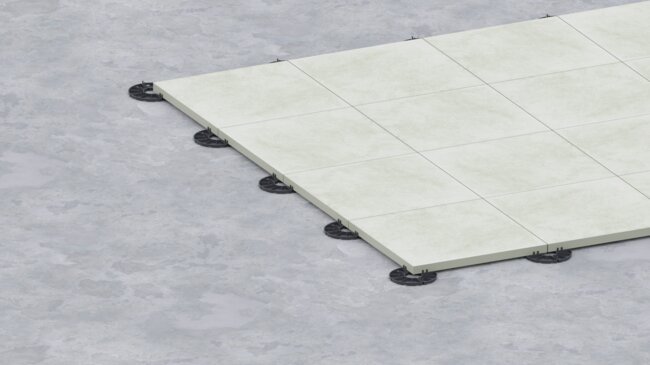
4. Terrace Surface
The usable layer, i.e., the most visible part of the system.
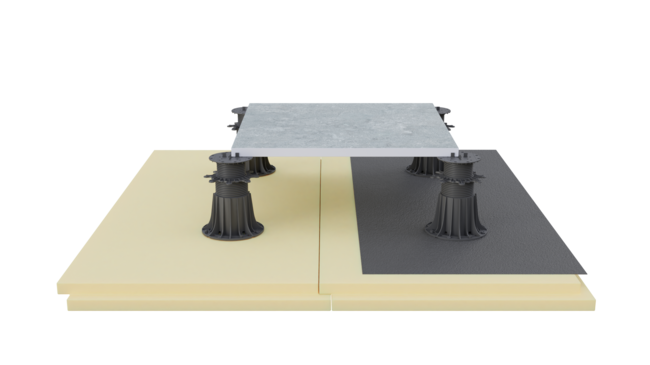
It can be made of:
- ceramic tiles (gres)
- concrete pavers
- natural stone
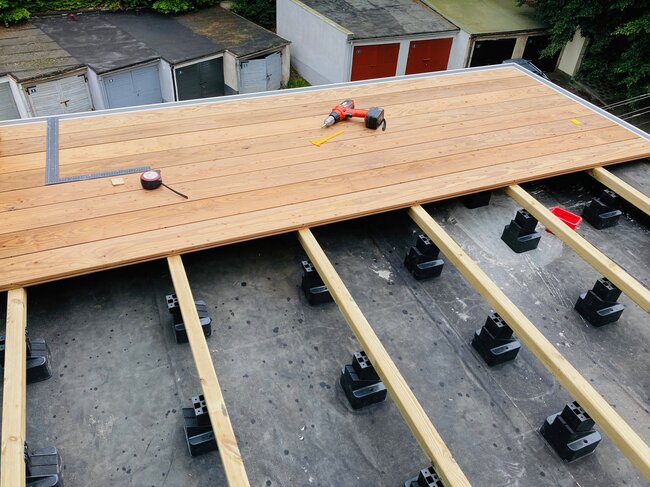
- composite decking boards (WPC)
- natural wood
The terrace surface is selected based on:
- aesthetics
- comfort of use
- resistance to weather conditions
How do the system components work together?
Each component serves a specific function:
- substrate → stability
- pedestals → adjustment and load transfer
- substructure → support for the surface
- surface → usability and aesthetics
- accessories → precision and durability
The absence of any of these components or their improper selection can lead to problems with the entire terrace.
Why is a complete system so important?
The most common errors result from:
- omitting accessories
- incorrect selection of pedestals
- failure to adapt the system to loads
See also: Most common mistakes during the installation of raised deck terraces
A complete system works as a whole, which ensures its durability and minimizes the risk of failure.
Summary
The raised deck terrace system consists of several key components:
- substructure
- pedestals
- joists
- pavers
- accessories
Their proper selection and cooperation determine the durability, safety, and functionality of the terrace.