


How does the surface work in a raised deck terrace?
Choosing the surface is one of the most important decisions when designing a raised deck terrace. It is the finishing material that determines the appearance, durability, and comfort of use.
Unlike glued terraces:
- the surface is not permanently bonded to the substrate
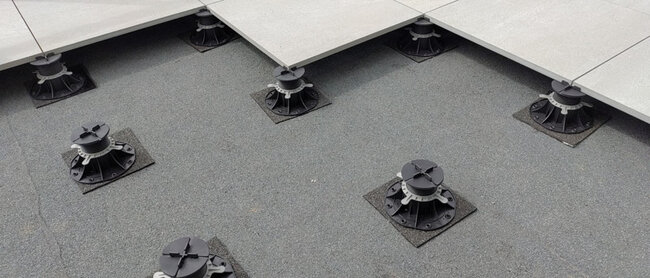
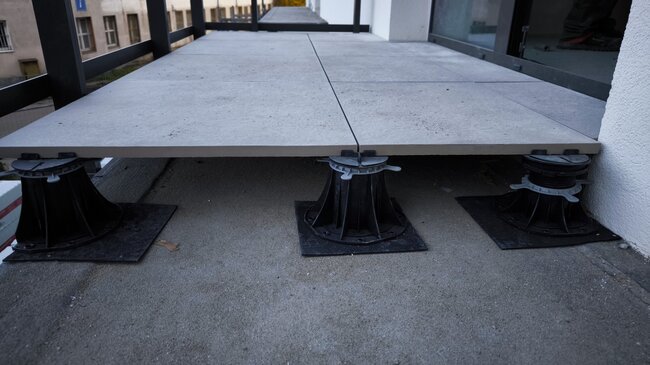
- it rests pointwise on pedestals or joists
- gaps remain between elements to drain water
Thanks to this:
- water does not pool on the surface
- easy replacement of elements is possible
- the system is resistant to weather conditions
See also: Installation of the terrace without permanent gluing
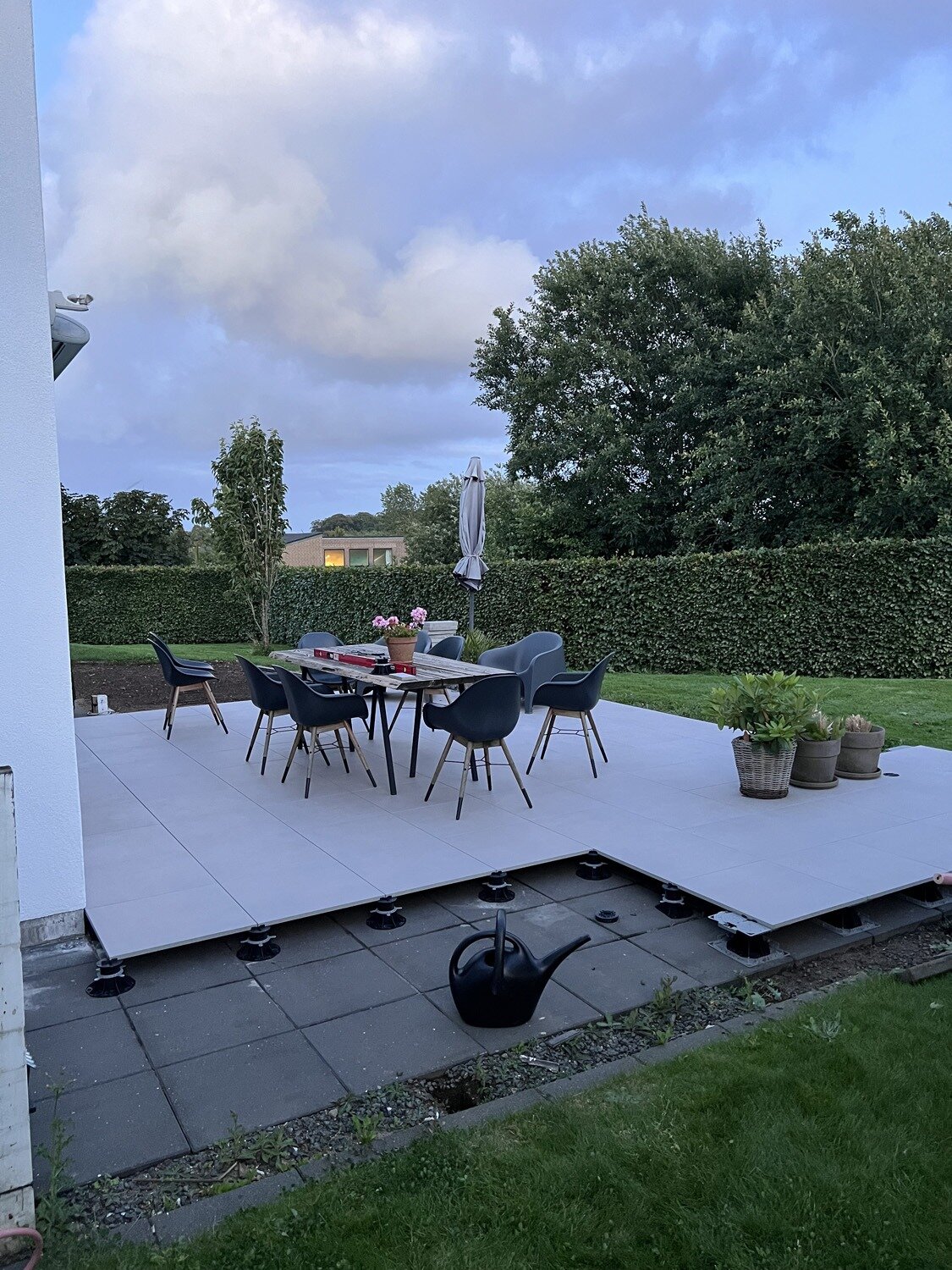
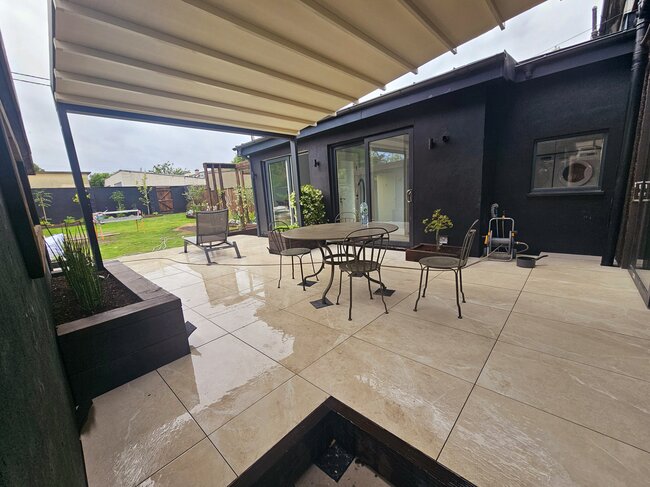
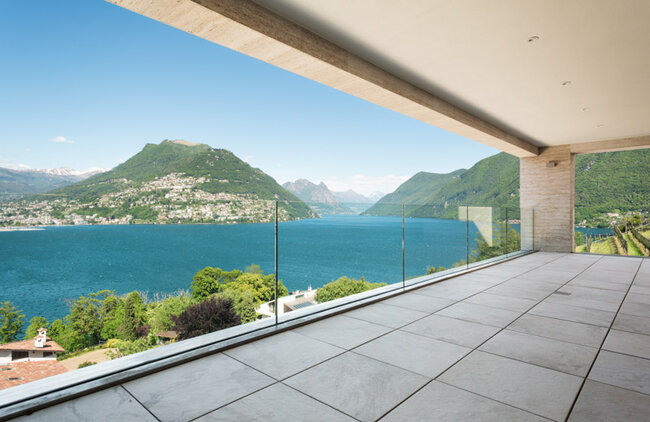
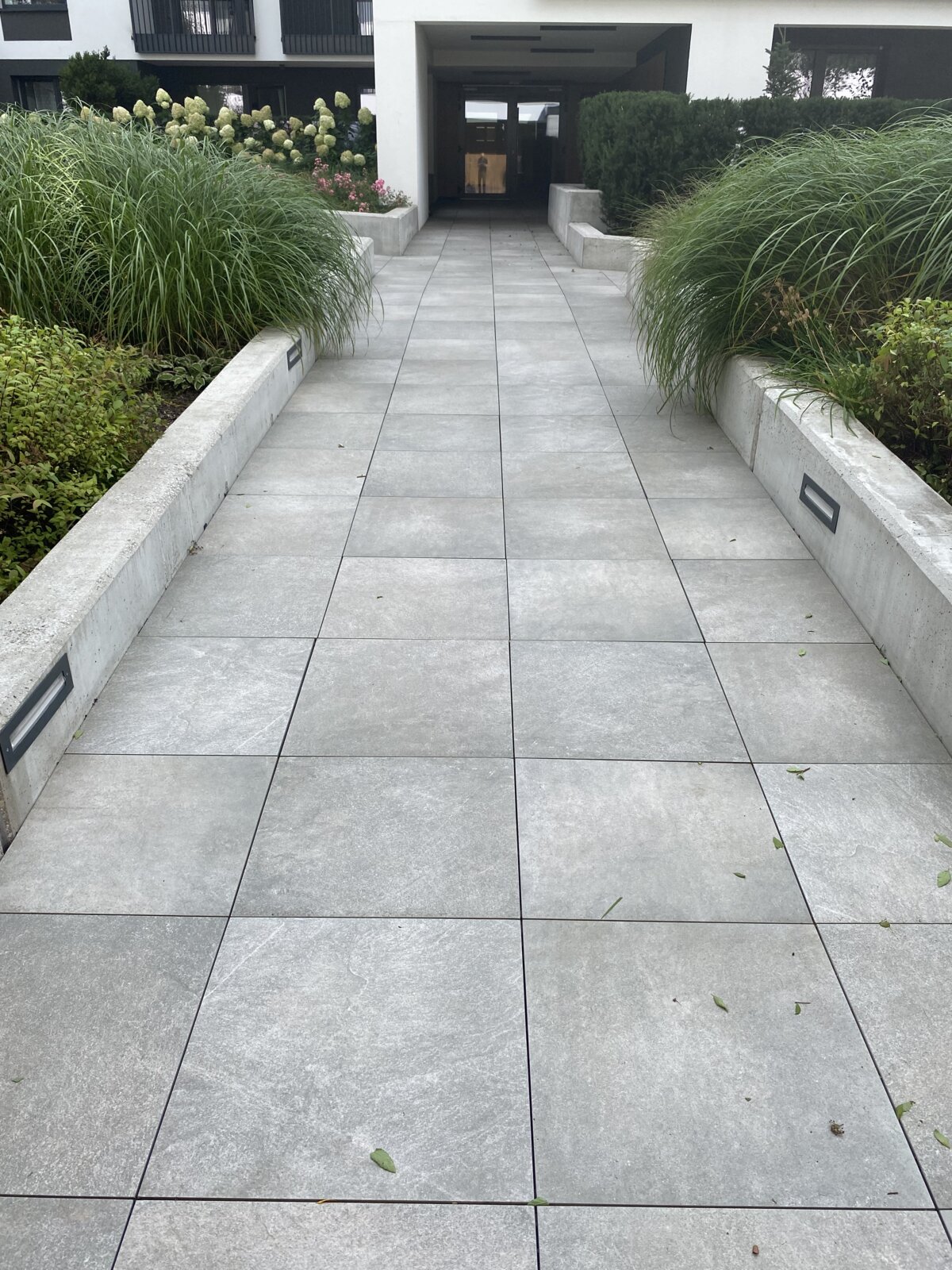
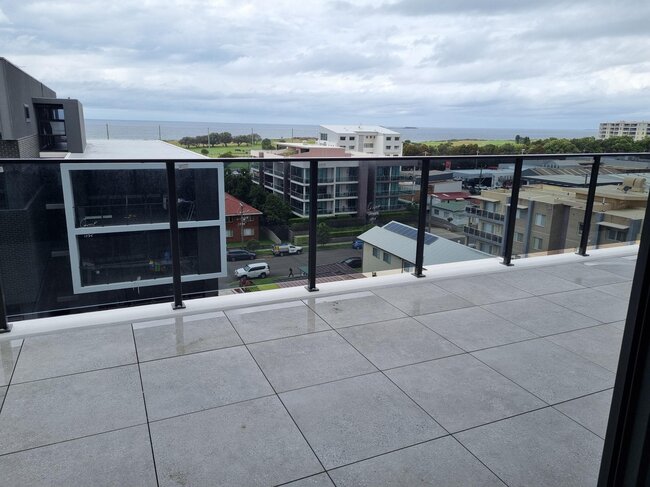
1. Ceramic (gres) pavers
The most popular solution in modern projects.
Features:
- high resistance to frost and moisture
- low water absorption
- easy to clean
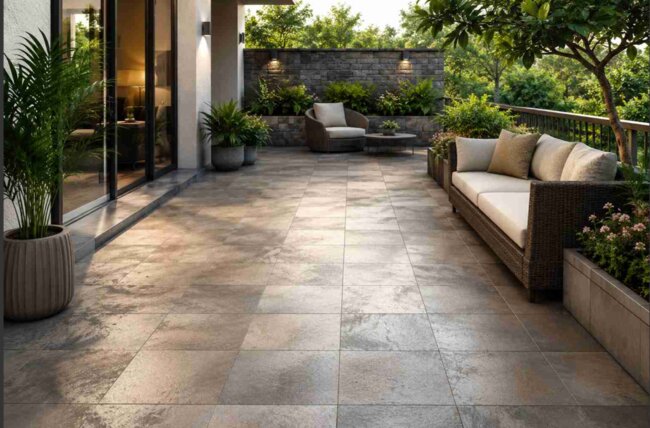
- aesthetics (wide selection of patterns)
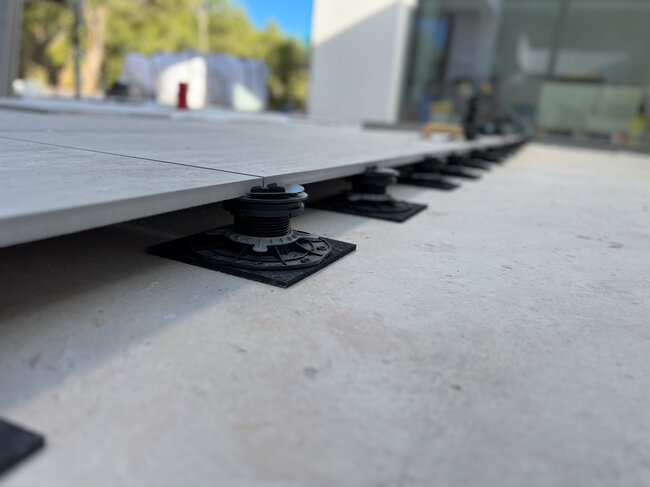
The most commonly used pavers are 60x60x2 cm
Applications:
- balconies
- home terraces
- housing developments
See also: Elevated terrace with ceramic pavers - 2 cm ceramic tiles
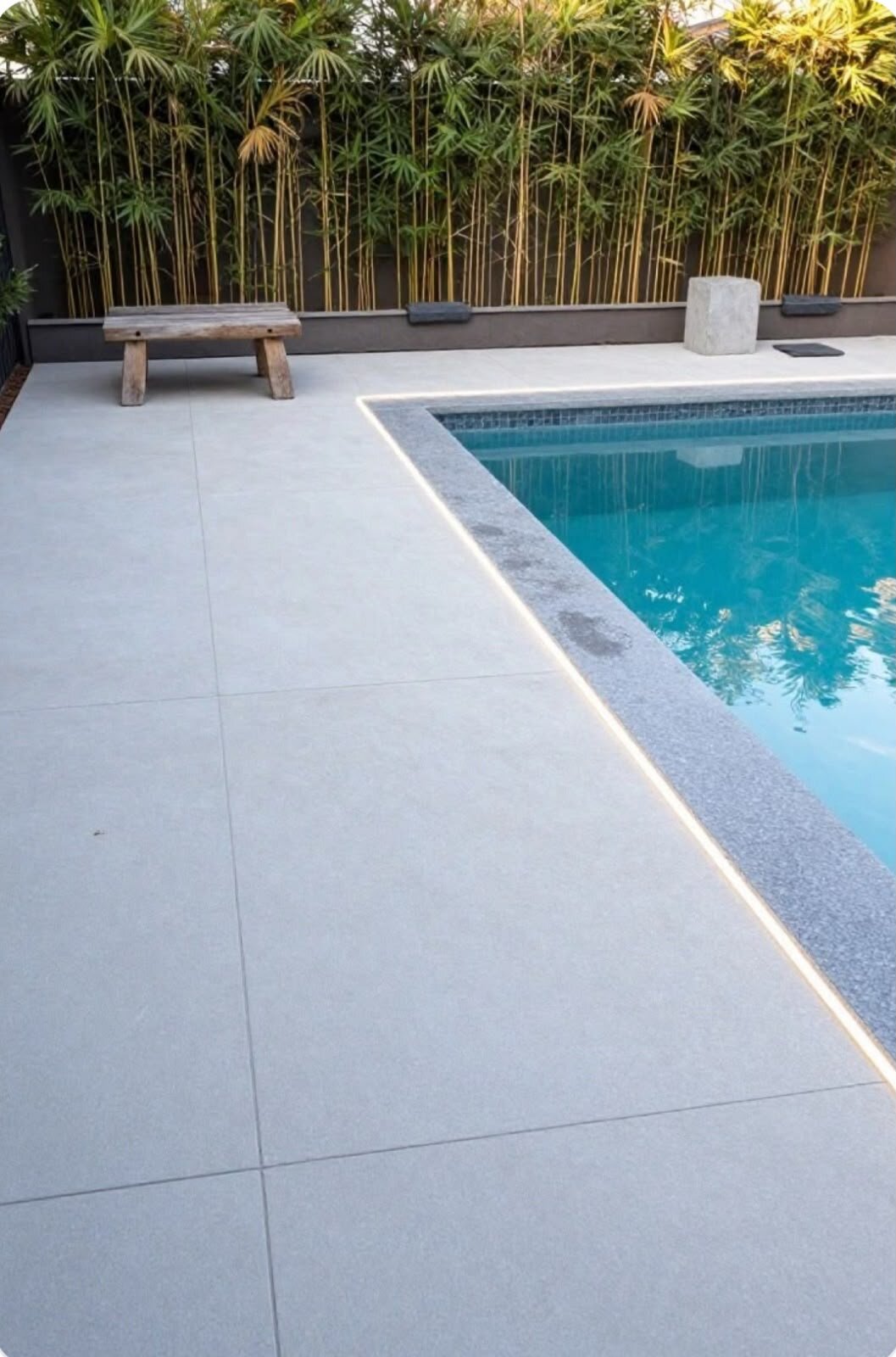
2. Concrete pavers
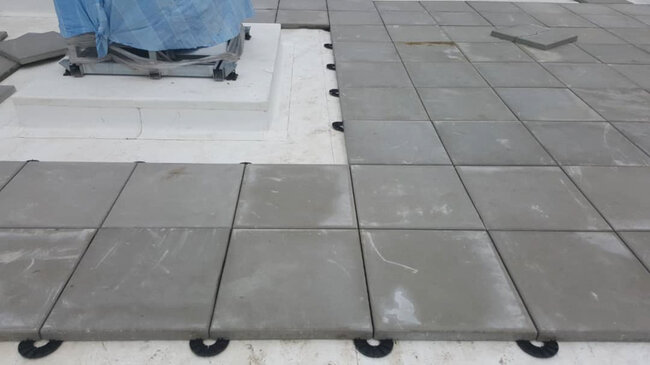
A more stable, solid, and durable solution than porcelain tiles. However, they are often thicker than 2 cm.
Features:
- high load-bearing capacity
- resistance to mechanical damage
- more rugged appearance
Disadvantages:
- higher water absorption than porcelain
- requires impregnation
Applications:
- garden terraces
- public spaces
- high-traffic areas
See also: Elevated terrace with concrete pavers - a durable solution for outdoor applications
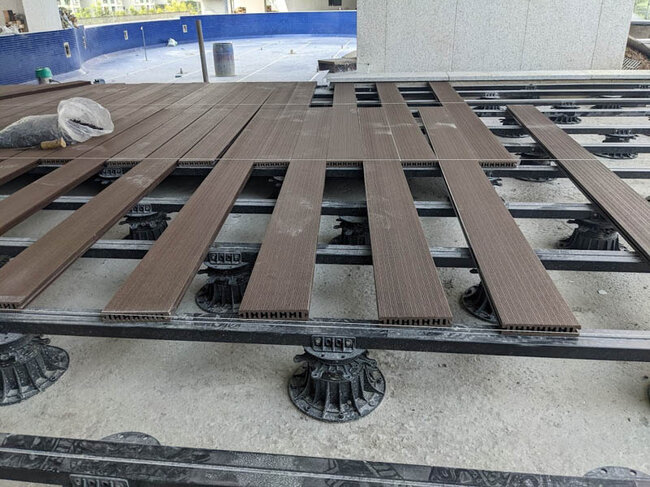
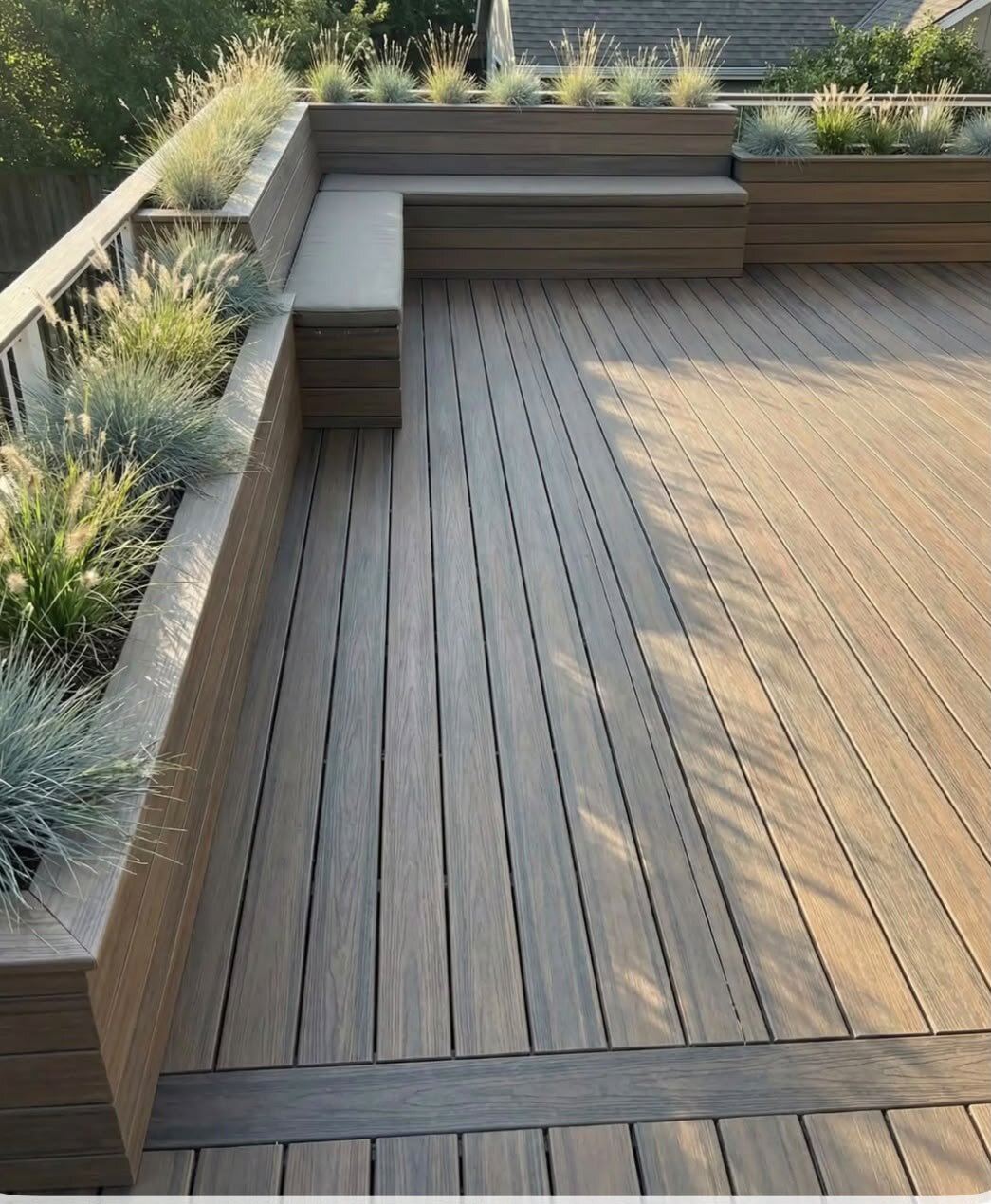
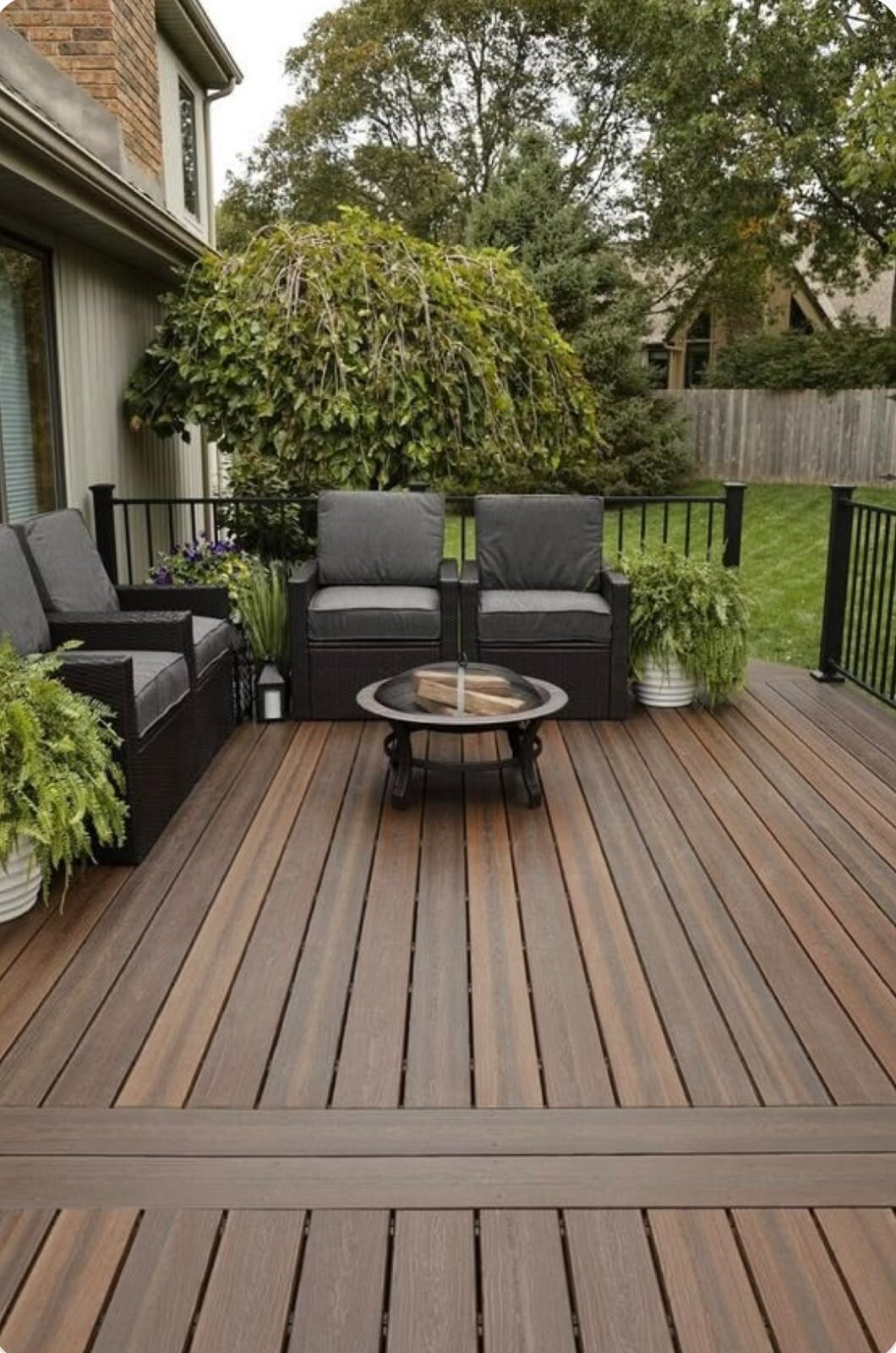
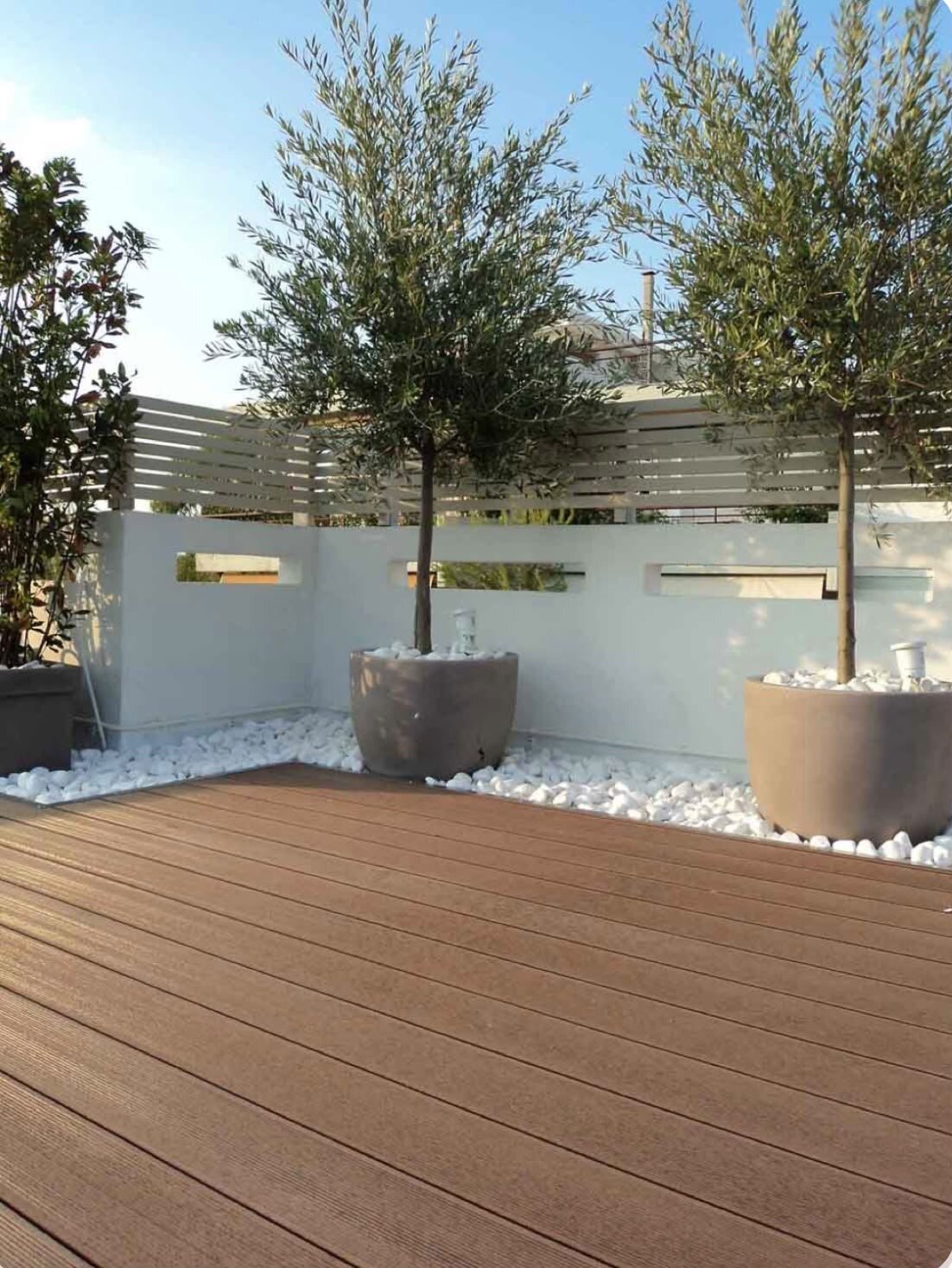
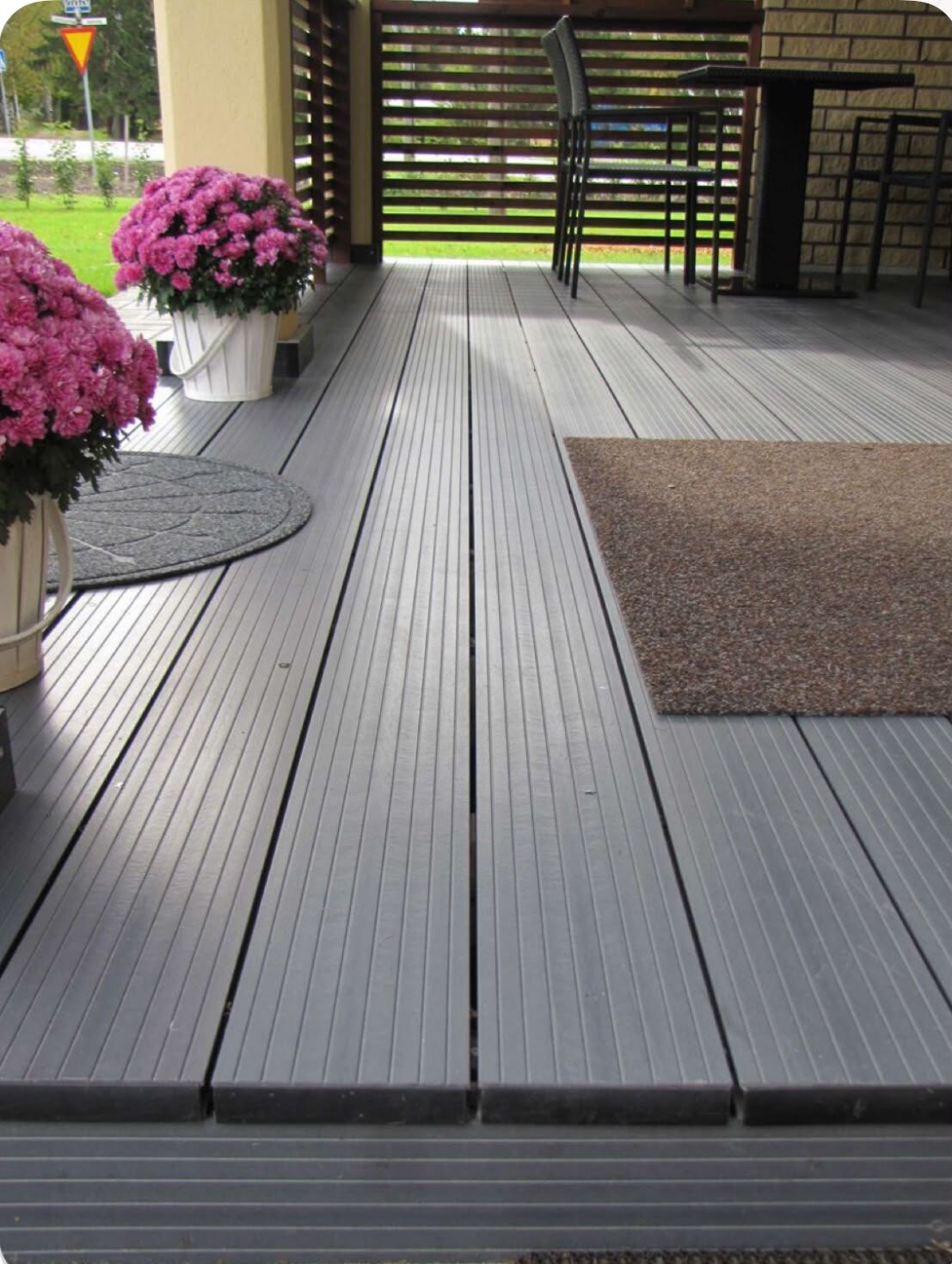
3. Composite Decking Boards (WPC)
A solution combining the look of wood with the durability of synthetic materials.
Features:
- moisture resistance
- no need for impregnation
- easy maintenance
- dimensional stability
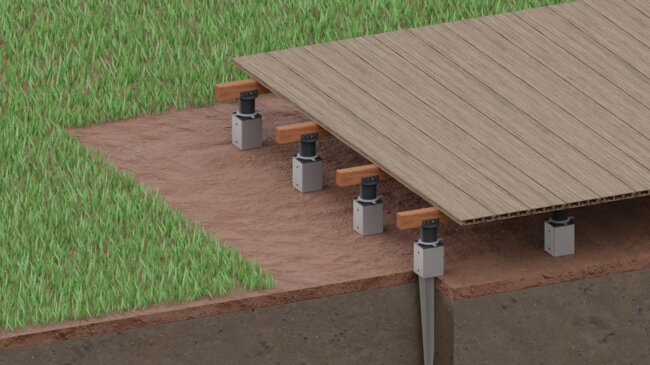
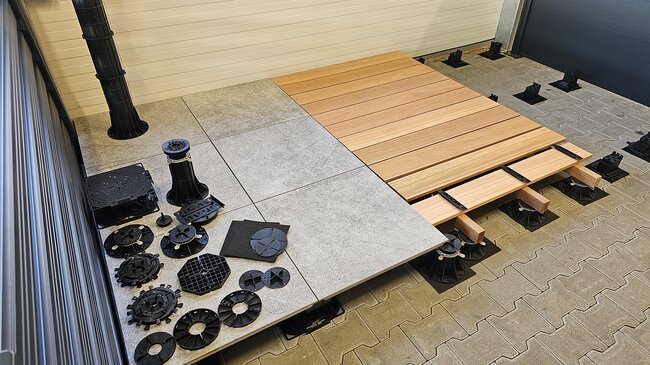
Installation order: pedestals, joists, and decking boards.
Applications:
- residential terraces
- gardens
- balconies
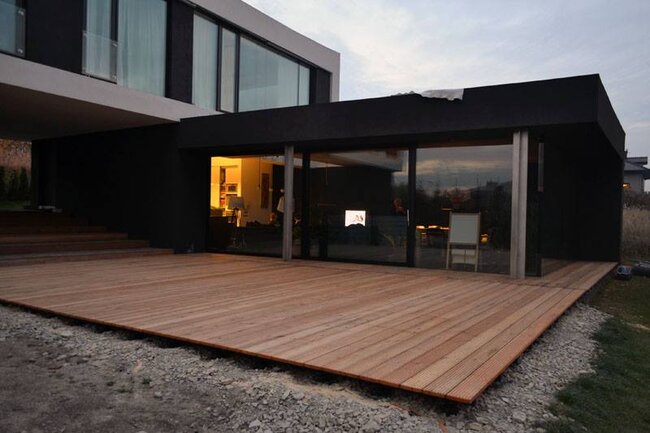
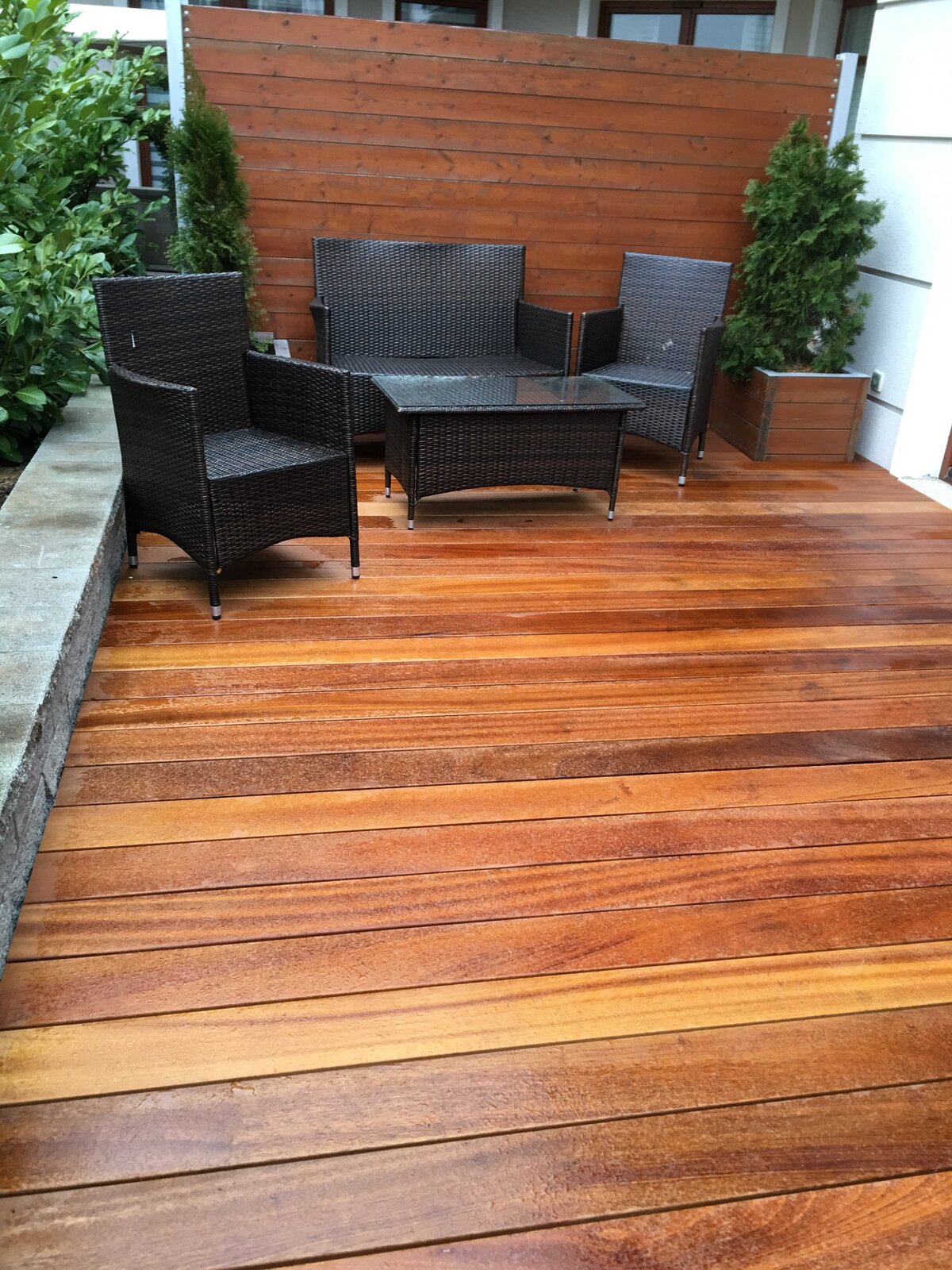
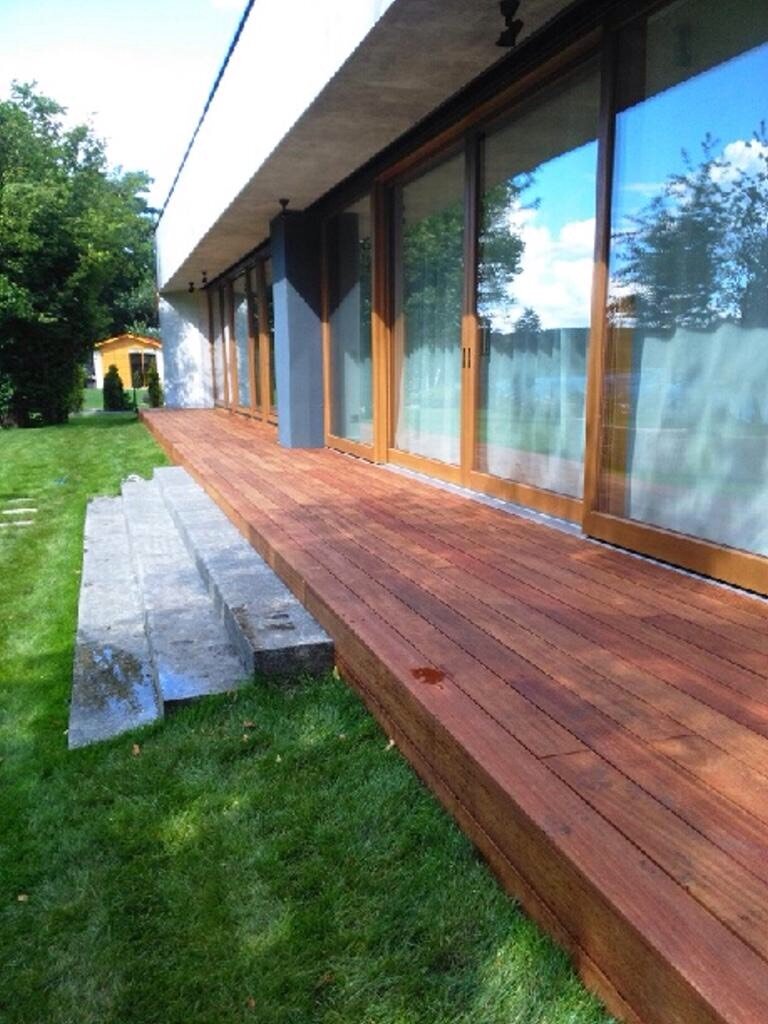
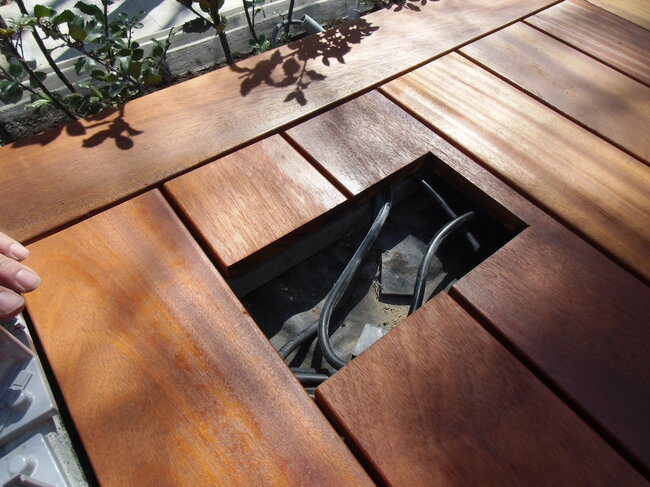
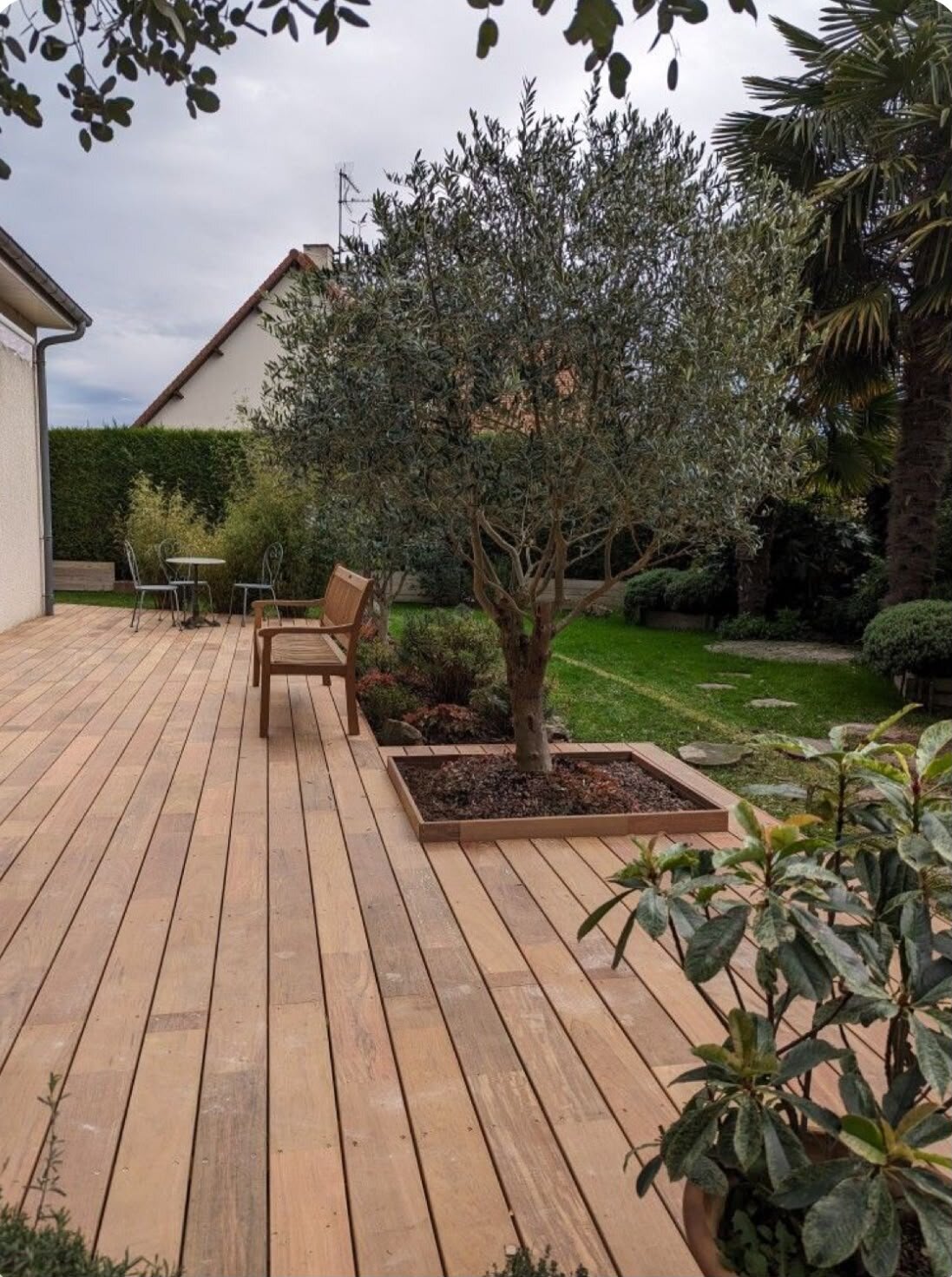
4. Natural wood decking
Classic, warm, and the most natural solution.
Features:
- aesthetics of natural wood
- comfortable in use
- can be renovated
Disadvantages:
- requires impregnation
- sensitive to weather conditions
Applications:
- premium terraces
- lounging areas
- gardens
See also: Elevated terrace made of natural wood planks - the elegance of wood in a modern system
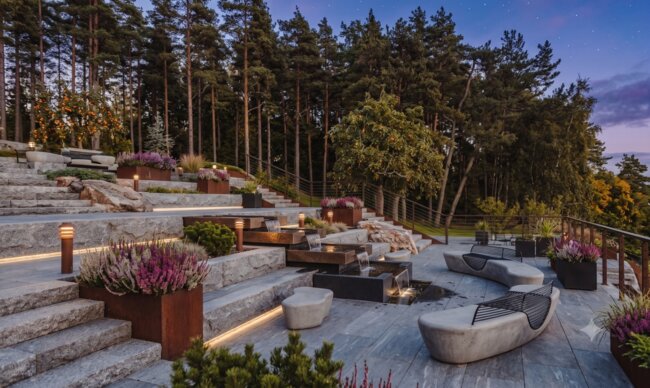
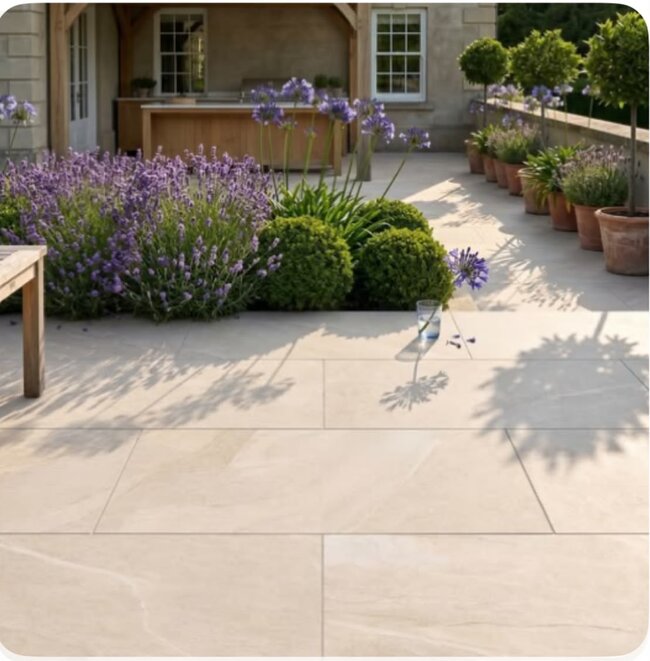
5. Natural stone
A premium solution used in prestigious or historic projects.
Features:
- very high durability
- unique appearance
- resistance to weather conditions
Disadvantages:
- high price
- greater weight
- brittleness - often requires the use of additional pedestals
Applications:
- hotels
- luxury projects
- representative terraces
- historic renovations
- heritage buildings
How to choose the right surface?
The choice of raised deck terrace surface should depend on:
1. Applications
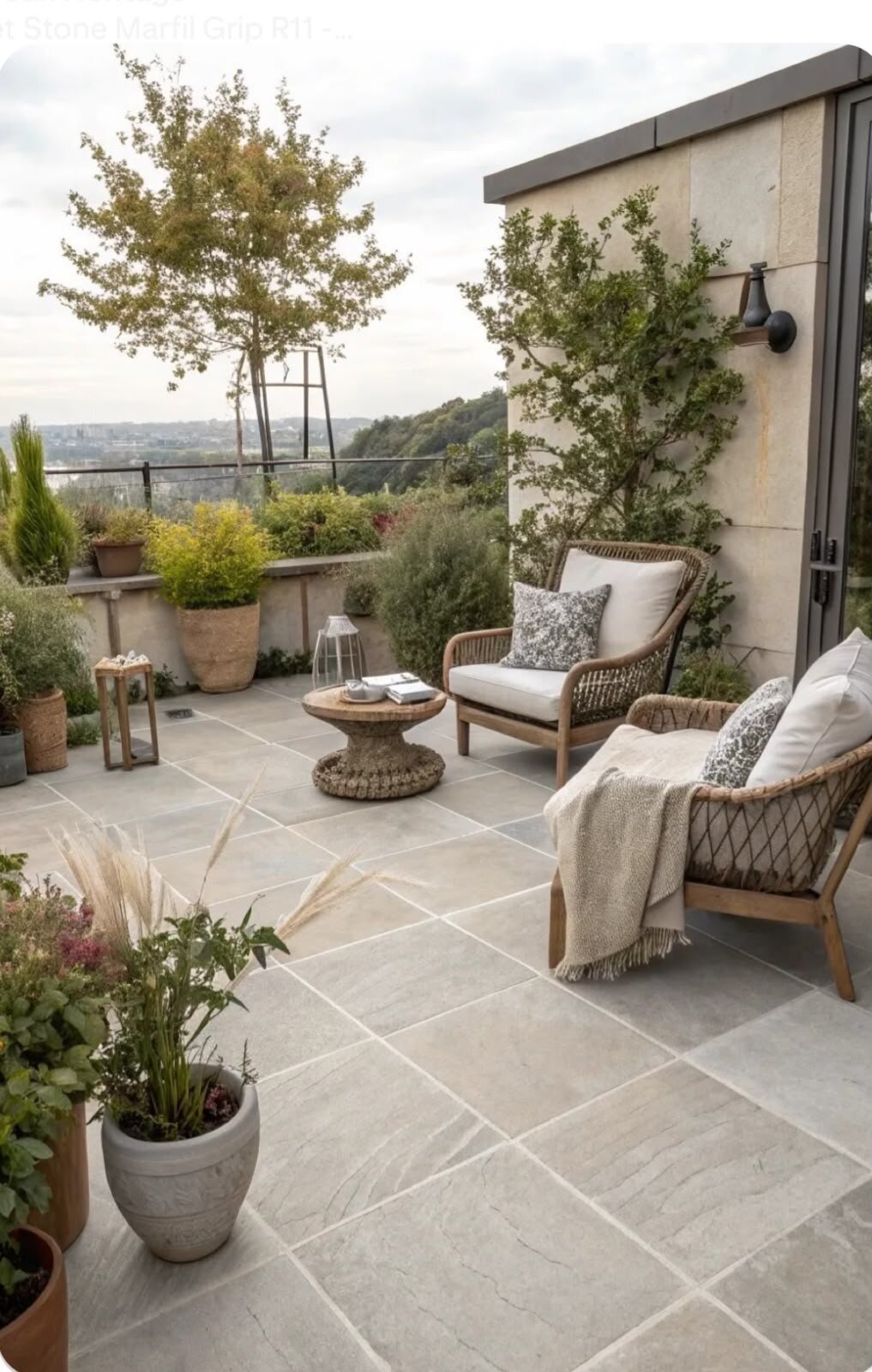
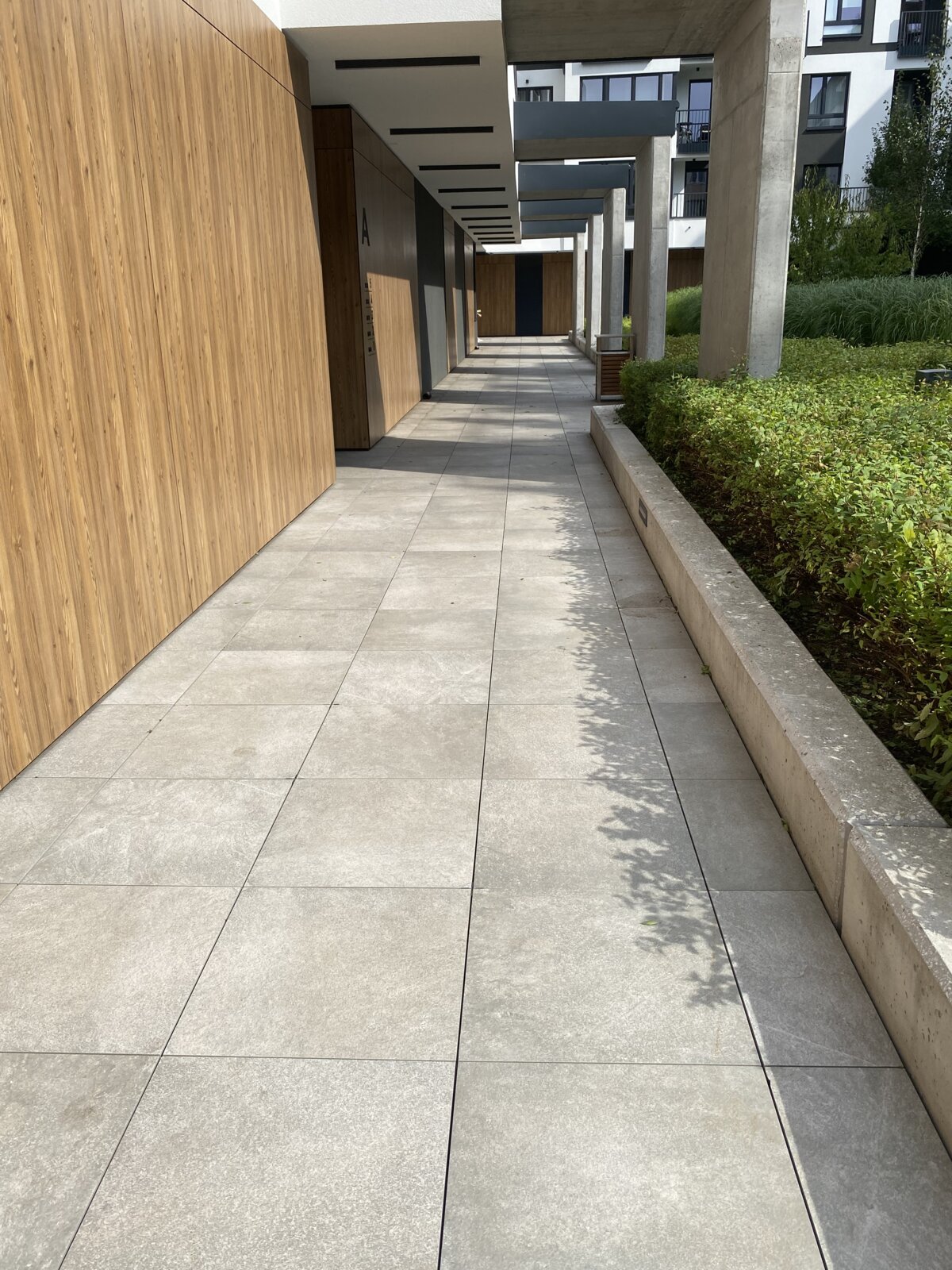
- balcony → porcelain stoneware / WPC
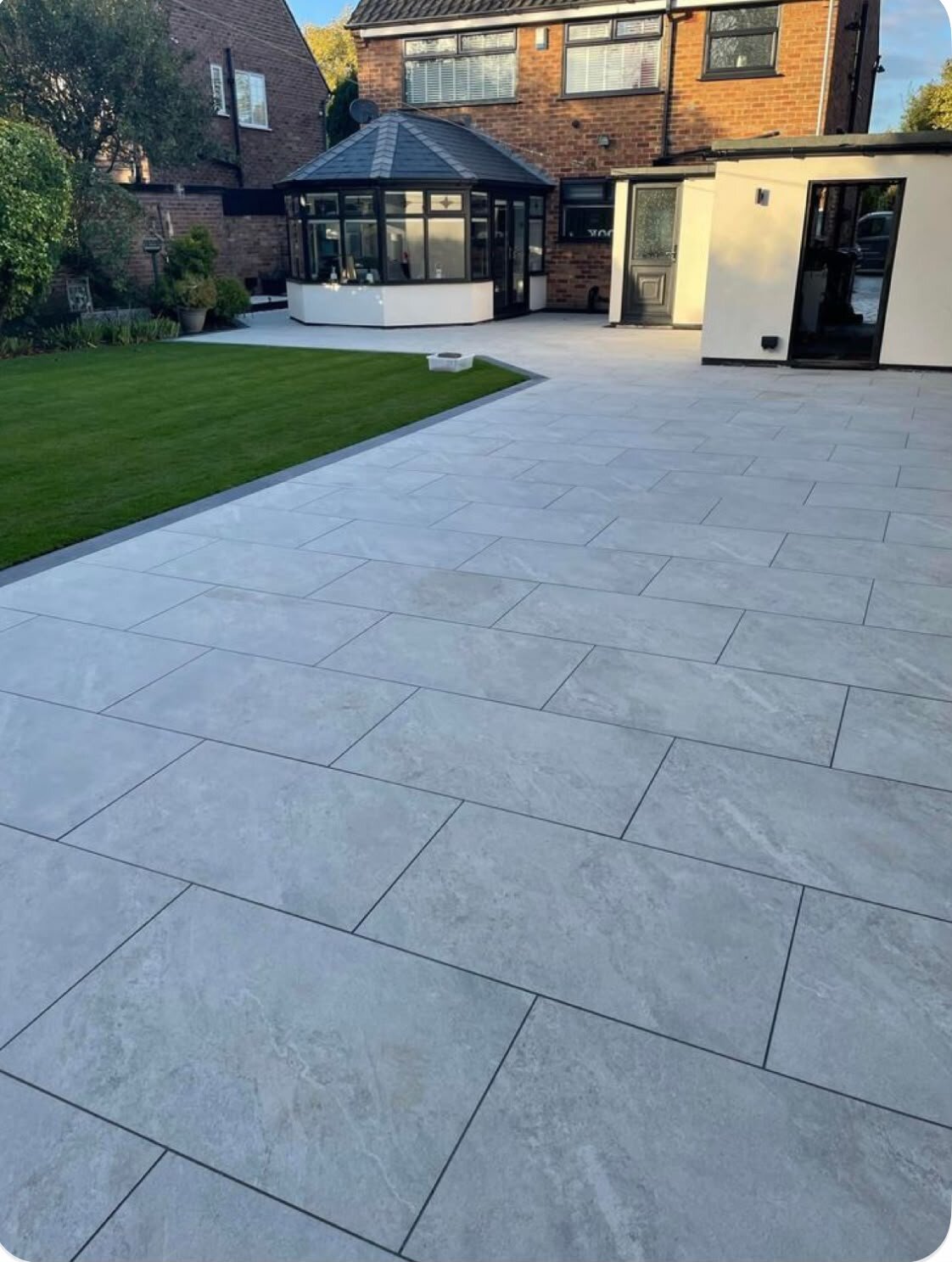
- garden → concrete / wood
- roof → porcelain stoneware / concrete
2. Loads
- heavy loads → concrete / stone
- standard loads → porcelain / WPC
Loads require more attention, so they are worth analyzing more broadly, especially on public projects:
See also: Loads and load-bearing capacity of a raised deck terrace - what is worth knowing?
3. Aesthetics
- modern → porcelain stoneware
- natural → wood
- raw → concrete
- luxury → stone
4. Budget
- economical → concrete / WPC
- premium → porcelain stoneware / stone / exotic wood
Summary
A raised deck terrace offers great flexibility in choosing the surface material.
The most important options are:
- ceramic pavers (most versatile)
- concrete pavers (most durable)
- composite decking boards (most practical)
- wood (most natural)
- stone (most prestigious)
The selection of the appropriate material should always be tailored to the function of the terrace, technical conditions, and user expectations.
FAQ
Can any surface be used on pedestals?
No, the material must have adequate thickness and strength (e.g., 2 cm pavers).
What is the most durable?
Stone and concrete, but porcelain offers the best balance of durability and aesthetics.
What is the easiest to maintain?
Ceramic and concrete pavers, as well as composite decking boards.