Why are raised deck terraces so versatile?
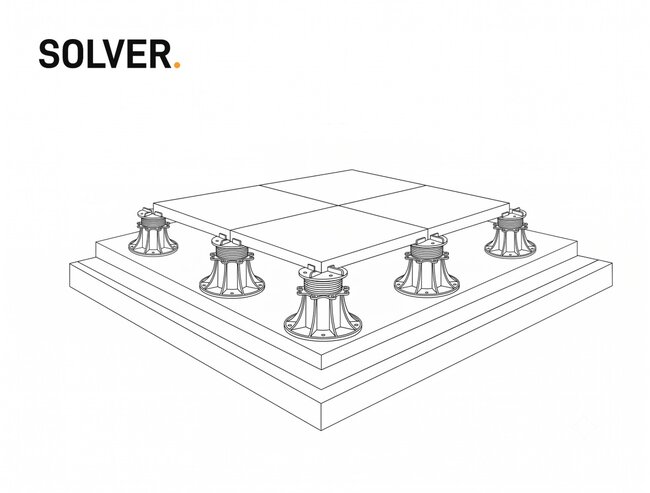
The system works well in many conditions because:
- it does not require gluing
- it allows for height adjustment
- it protects the waterproofing
- it enables the routing of installations
- it works on various substrates
See also: Installation of the terrace without permanent gluing
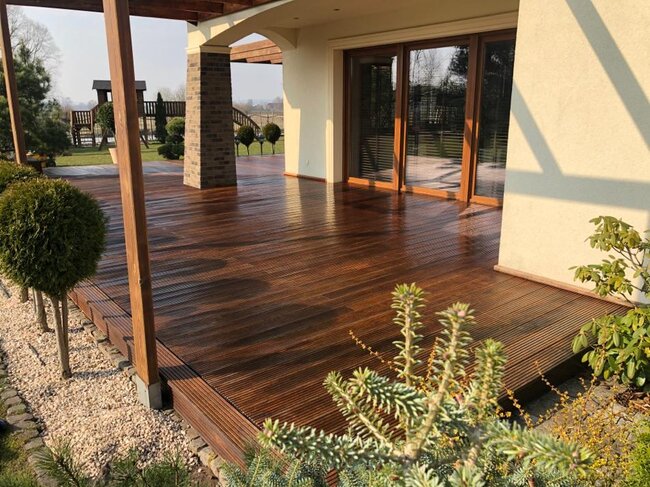
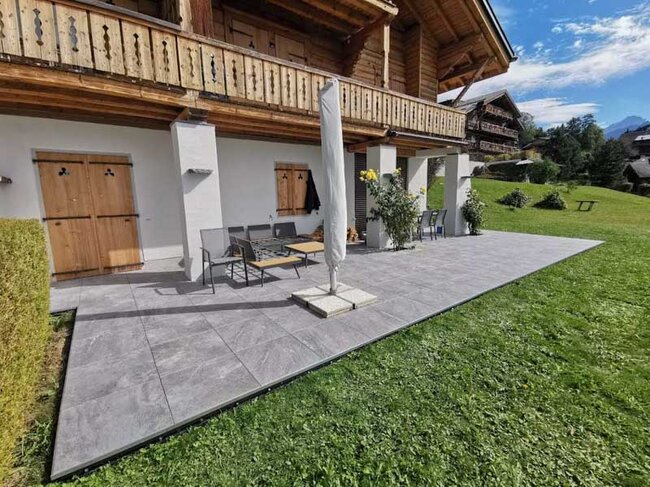
1. Home terraces (gardens)
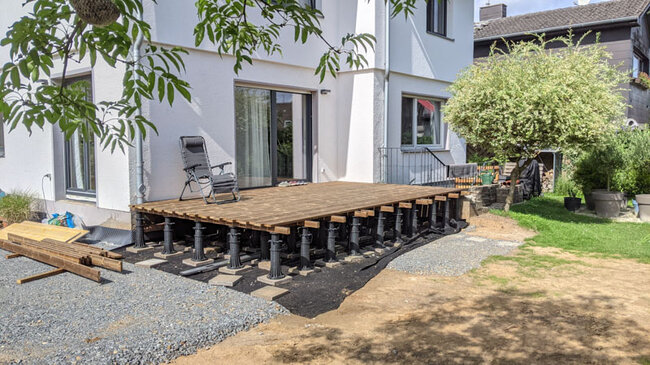
Often used, due to the possibility of easily adjusting the terrace height to the terrace exit.
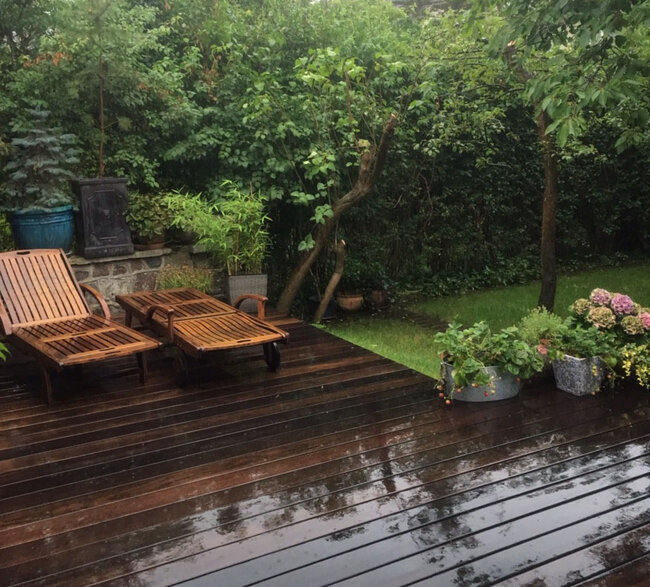
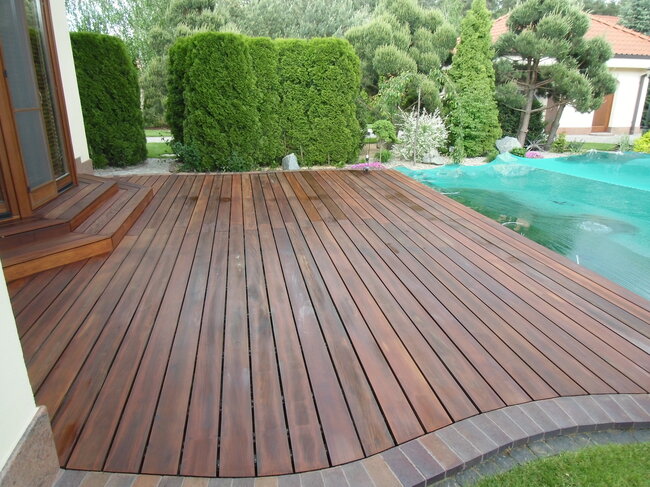
Raised deck terraces in the garden:
- allow you to quickly create a relaxation space
- can be installed on the ground
- work well with greenery
Most commonly used surfaces:
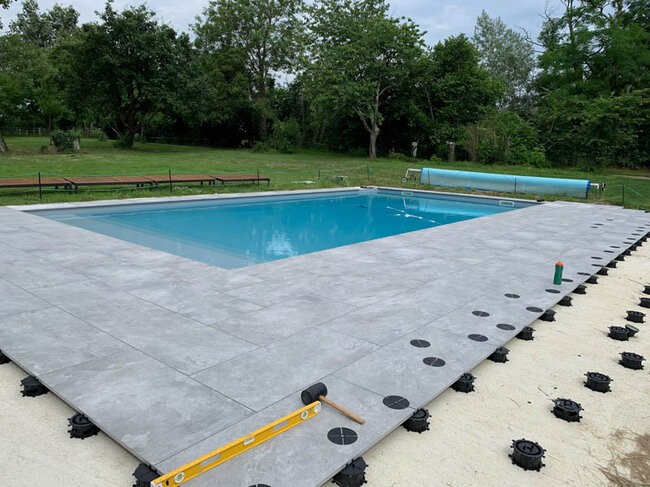
- concrete pavers
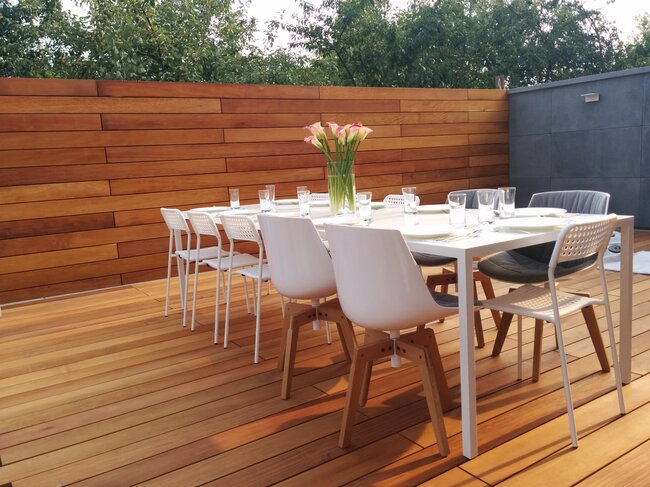
- composite decking boards
- natural wood
See also: Elevated terrace made of composite decking (WPC)
See also: Elevated terrace made of natural wood planks - the elegance of wood in a modern system
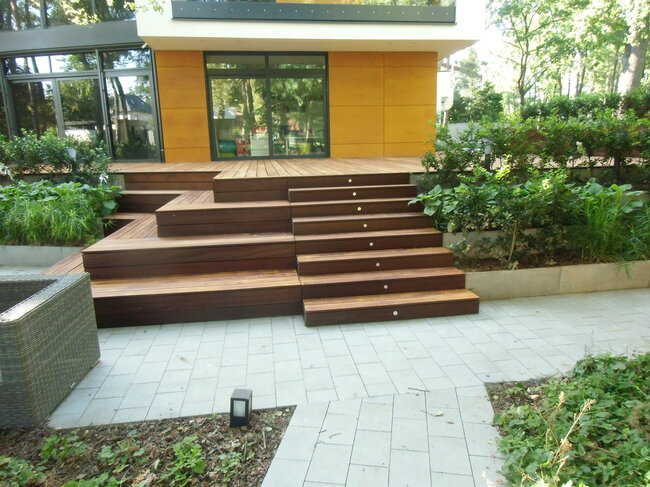
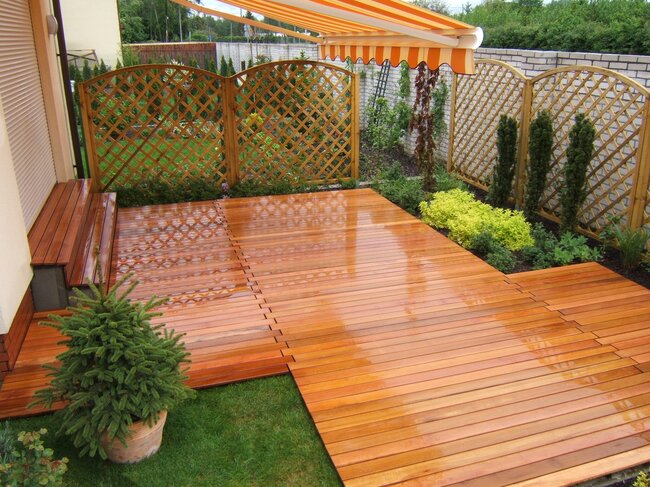
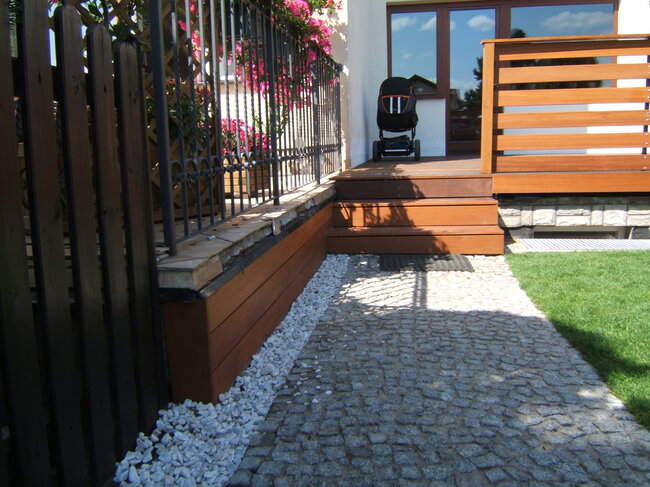
2. Raised deck terraces on balconies
The system works perfectly on balconies and loggias.
Advantages:
- no interference with the waterproofing
- quick installation
- level adjustment possible
Most commonly used:
- porcelain pavers
- concrete pavers
- composite decking boards
See also: Elevated terrace on the balcony - a light and quick solution without gluing
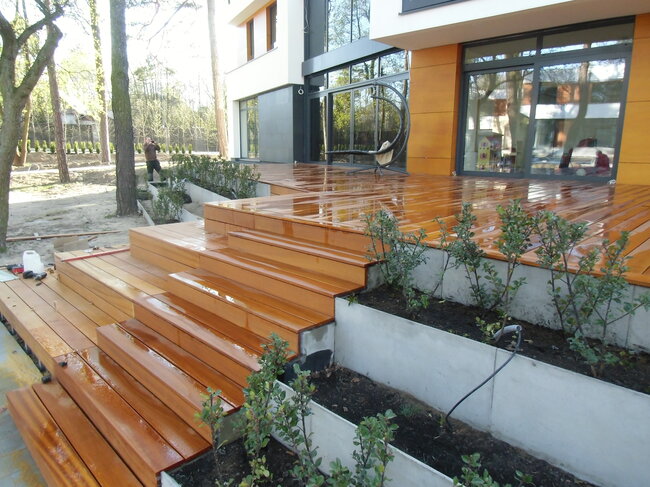
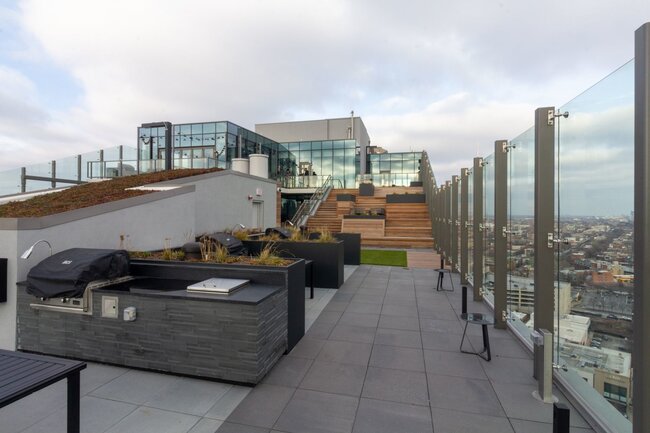
3. Roof terraces on flat roofs (roof terrace)
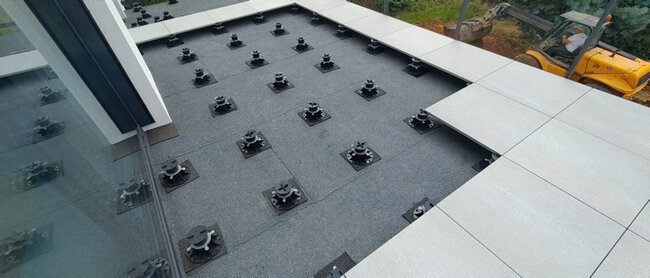
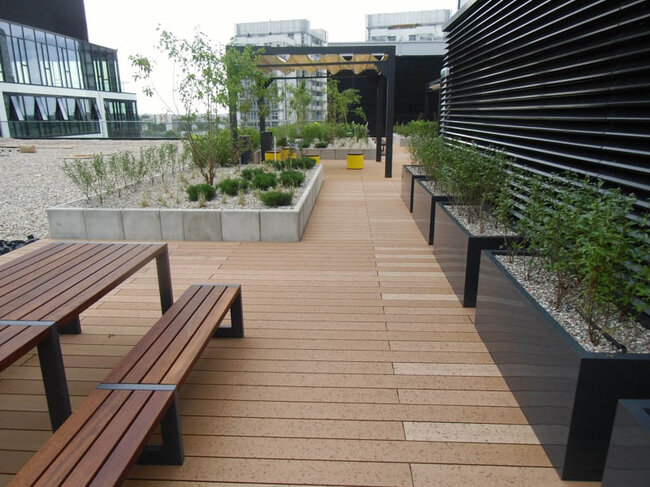
One of the most demanding, but also most popular applications.
Why the system works:
- does not overload the structure excessively
- protects the waterproofing layer
- enables easy service access
Applications:
- roofs of residential buildings
- office buildings
- hotels
See also: Drainage of a raised deck terrace - how does it work and how to do it correctly?

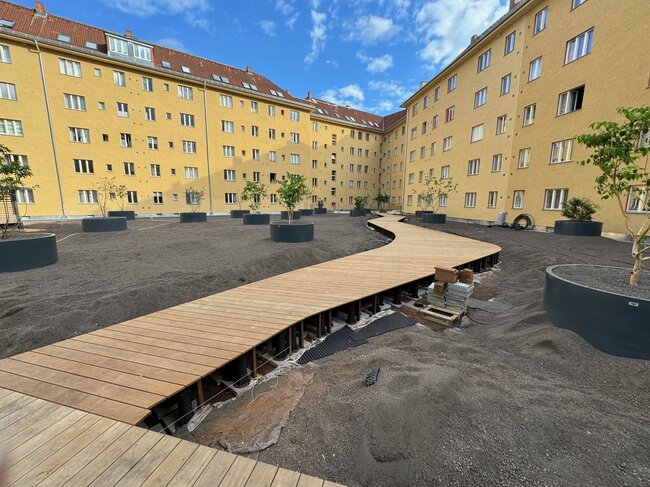
4. Raised deck terraces in commercial buildings
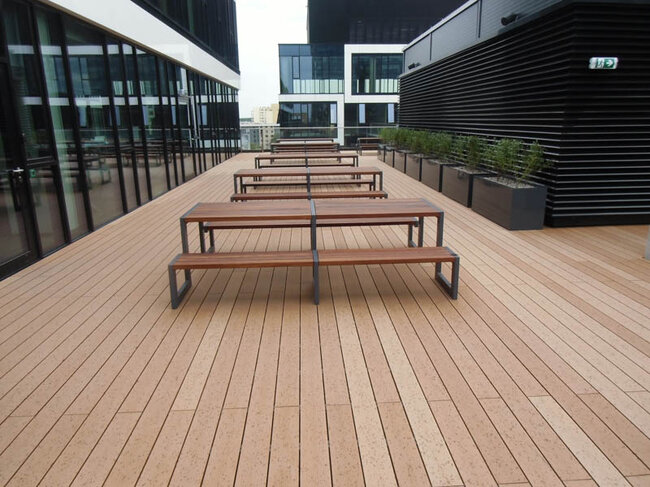
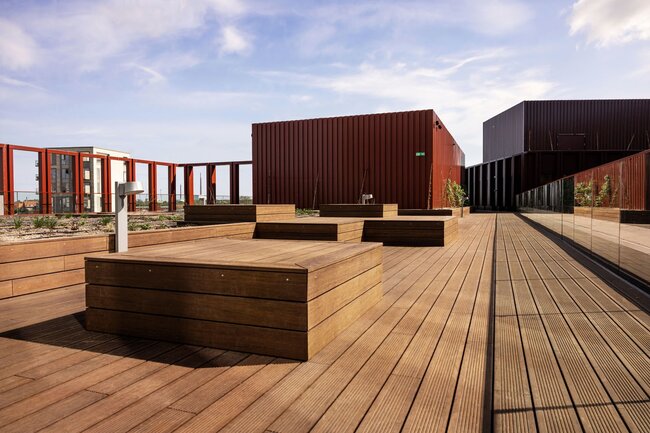
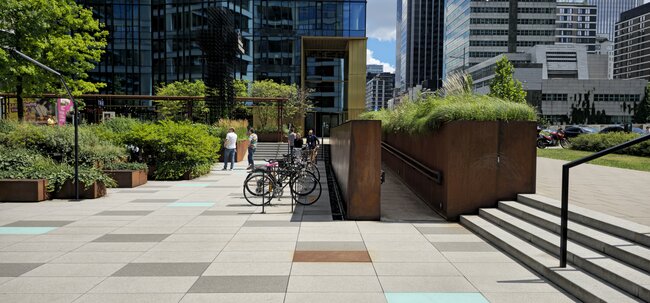
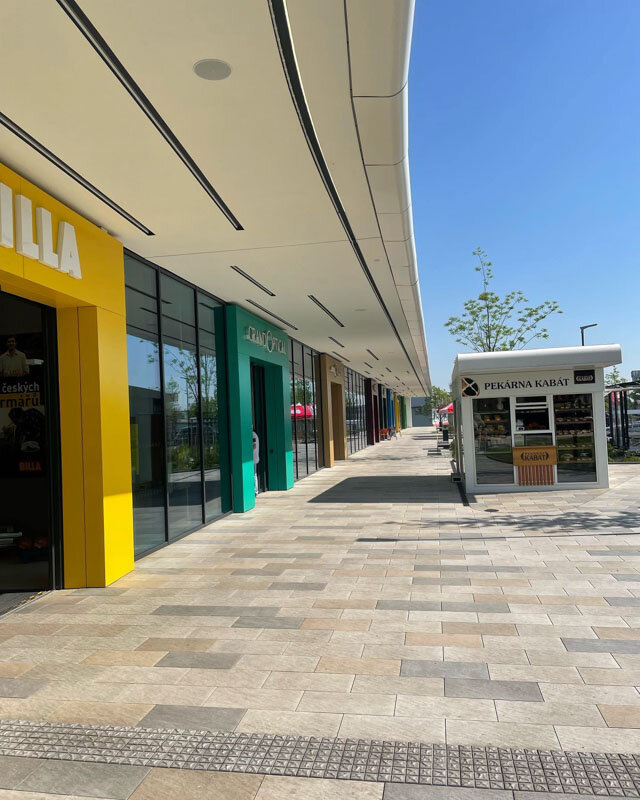
System widely used in projects:
- office buildings
- shopping centers
- hotels
- restaurants
Why investors choose this system:
- quick installation
- easy quality control
- serviceability without dismantling
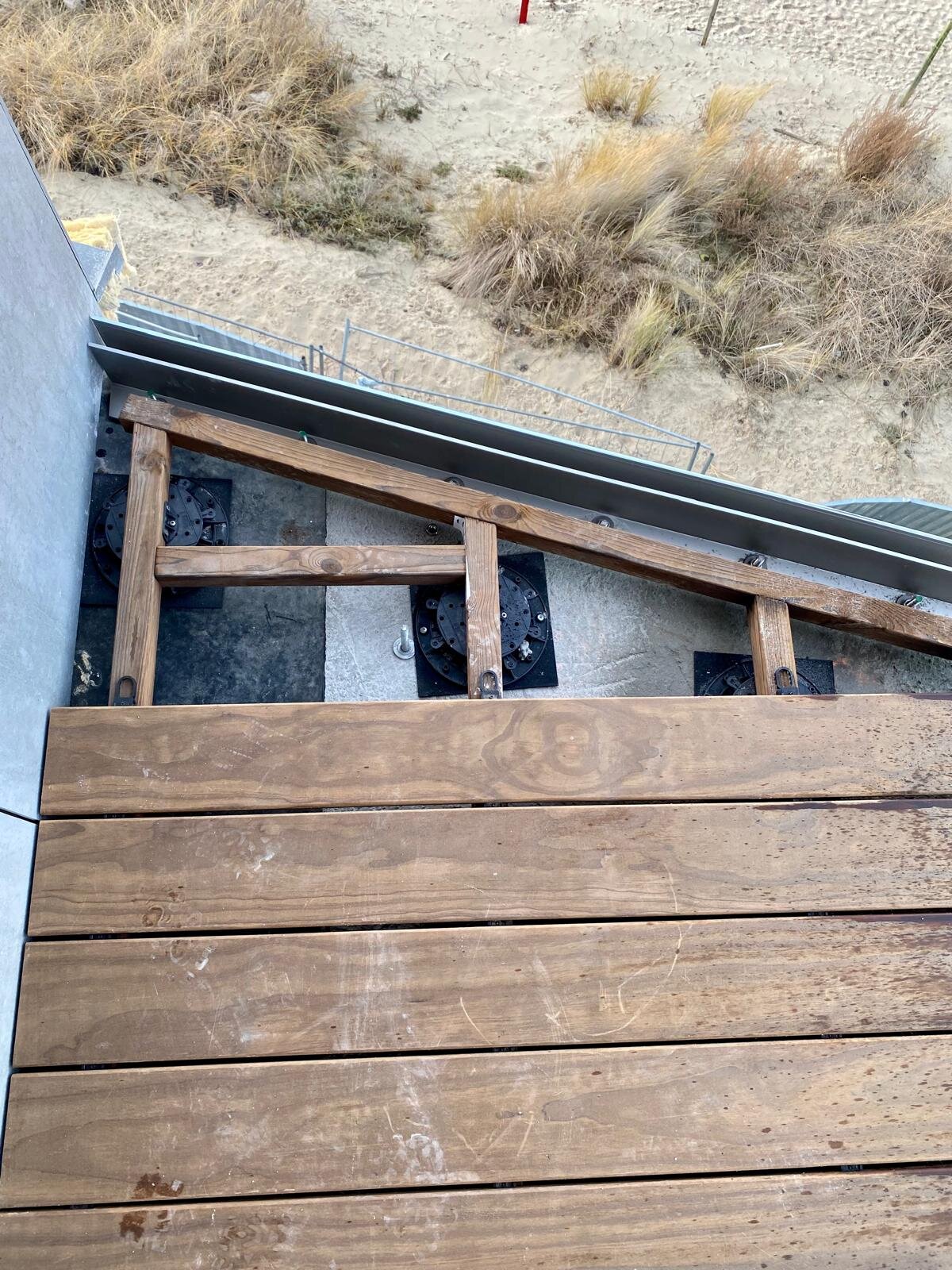
5. Terrace renovations and modernizations
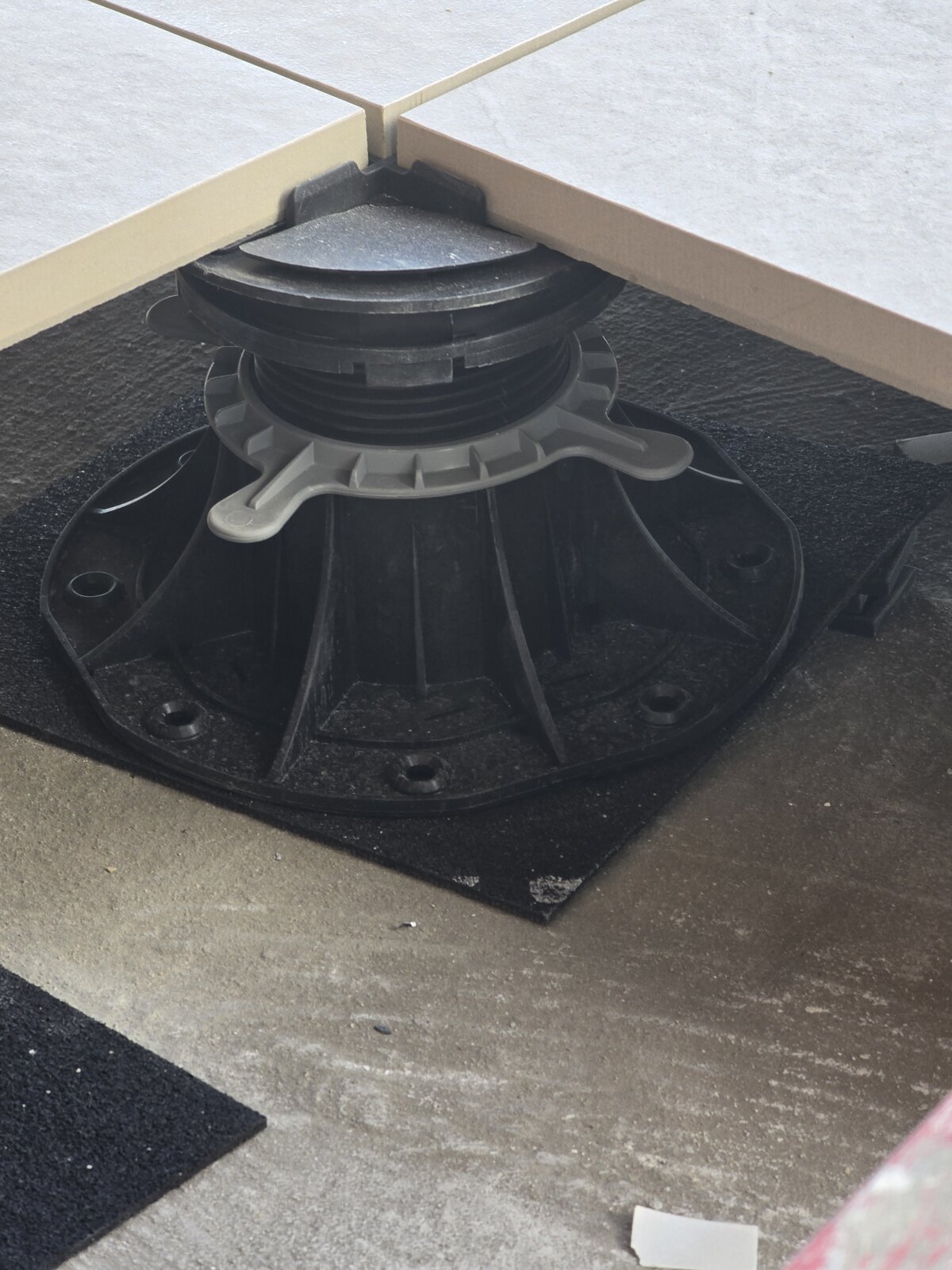
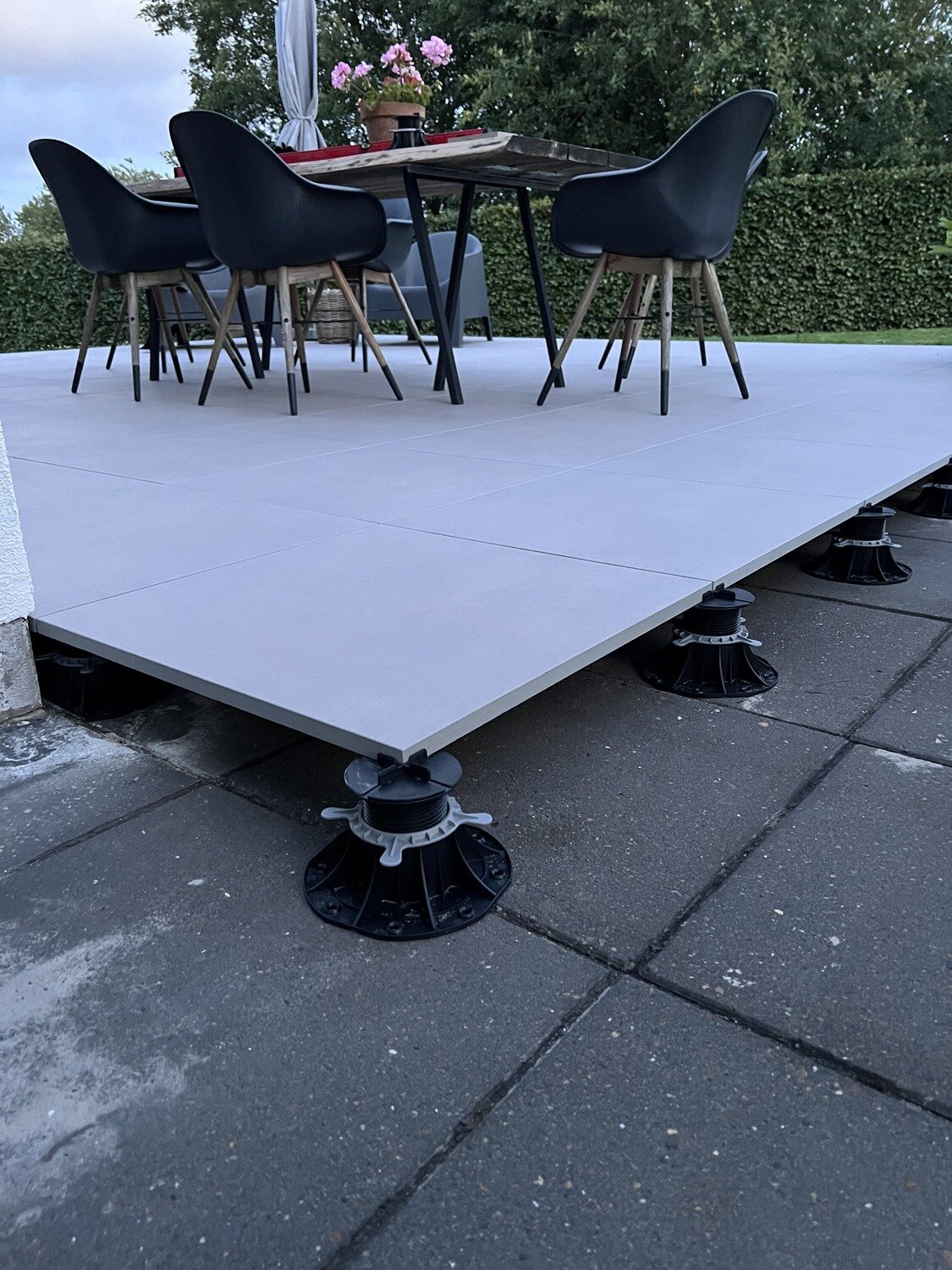
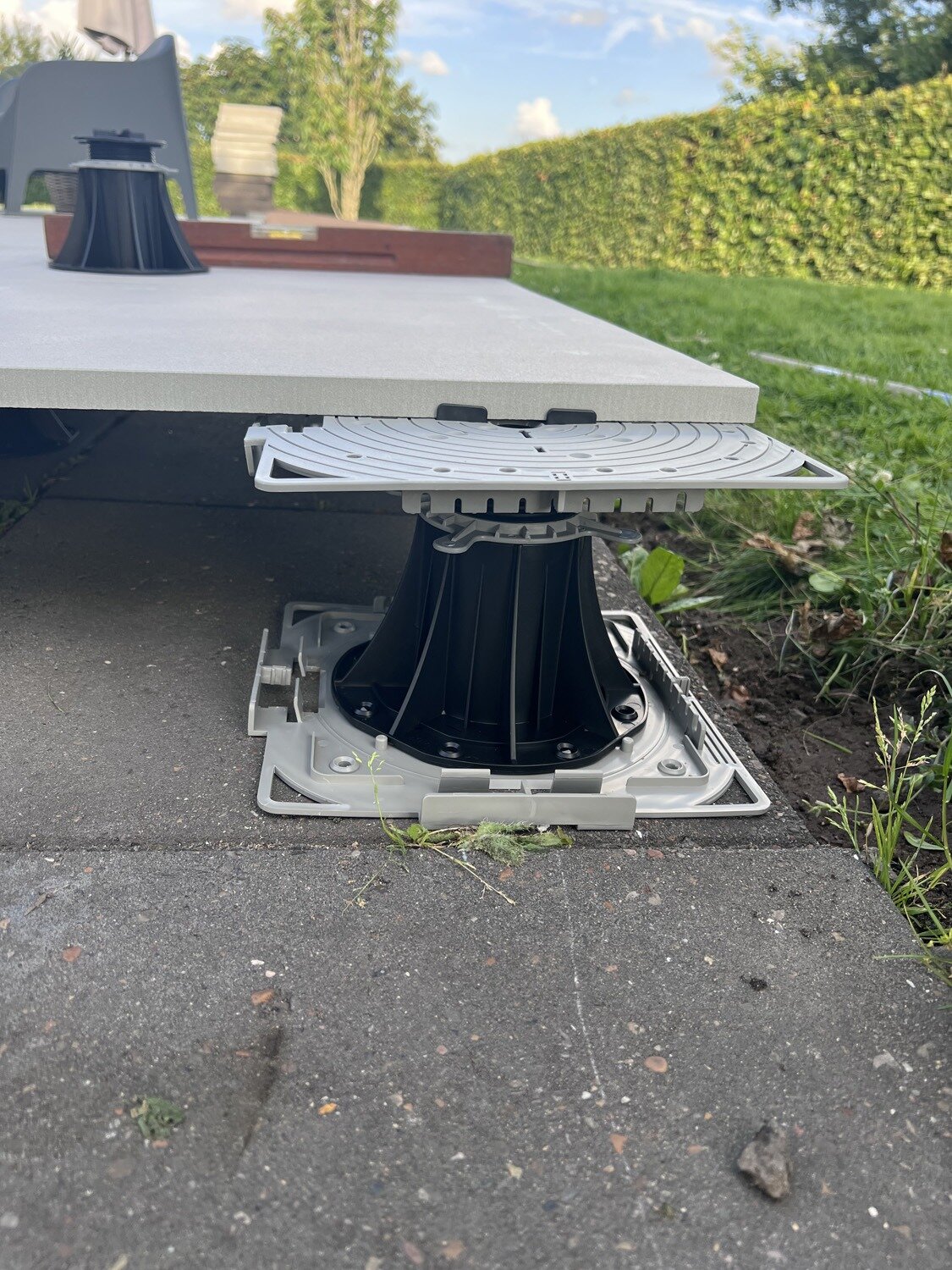
A system ideal for renovating existing surfaces.
It can be applied to:
- old tiles
- concrete
- paving stones
Advantages:
- no need to remove the old surface
- quick modernization
- improved aesthetics and functionality
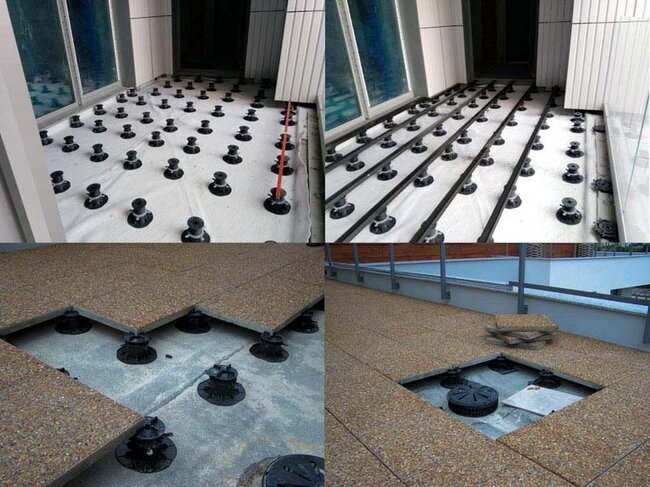
6. Technical and installation terraces
An often overlooked application, yet very practical.
The system is used where the following are located beneath the terrace:
- electrical installations
- drainage systems
- technical systems
Advantages:
- easy access to installations
- possibility of dismantling individual elements
- organized technical space
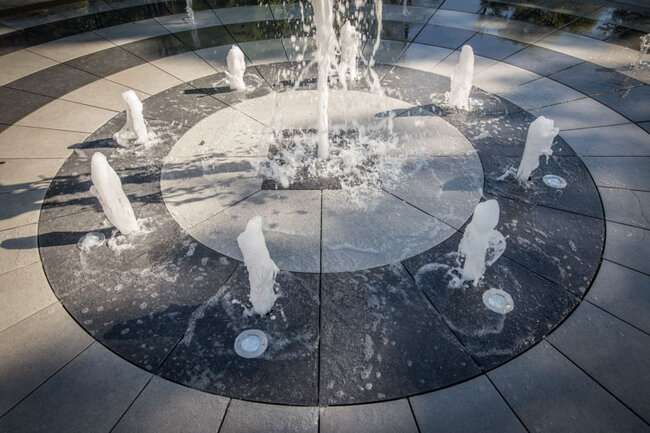
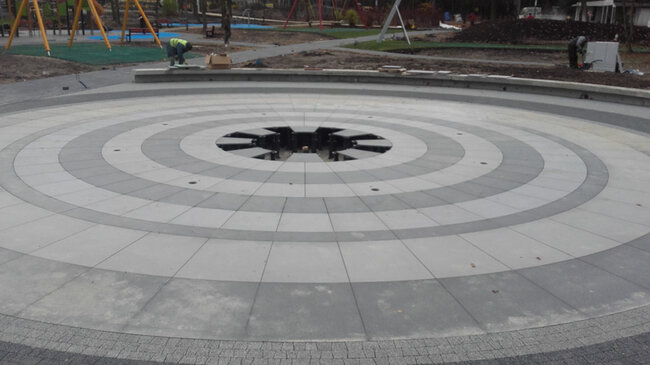
7. Fountains
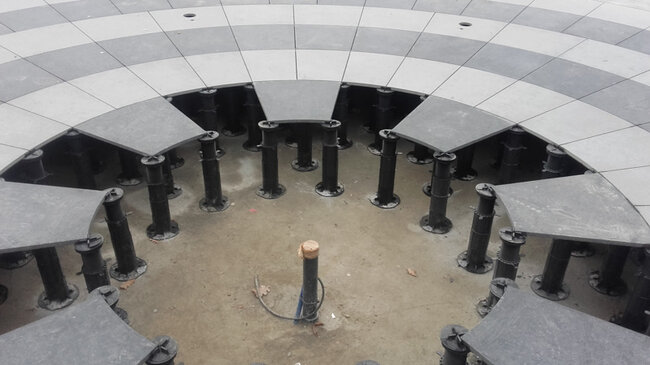
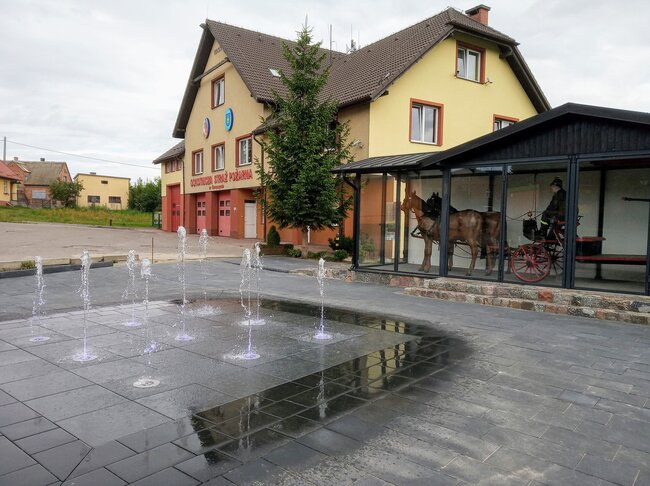
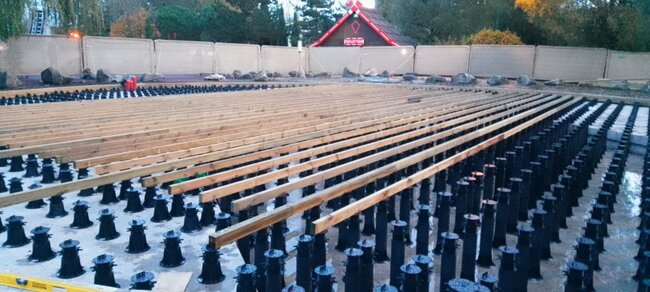
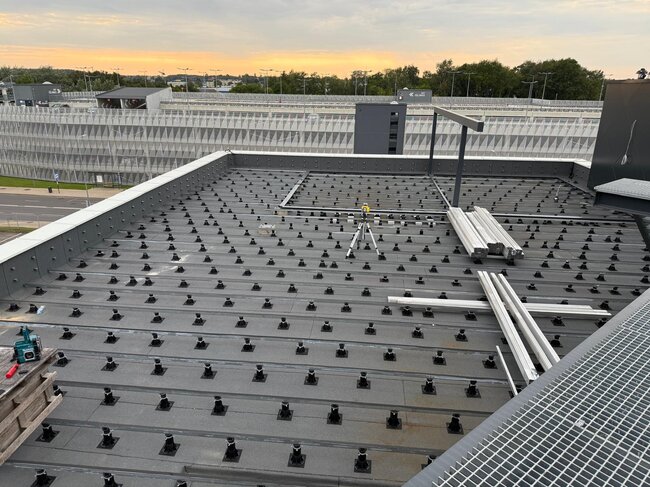
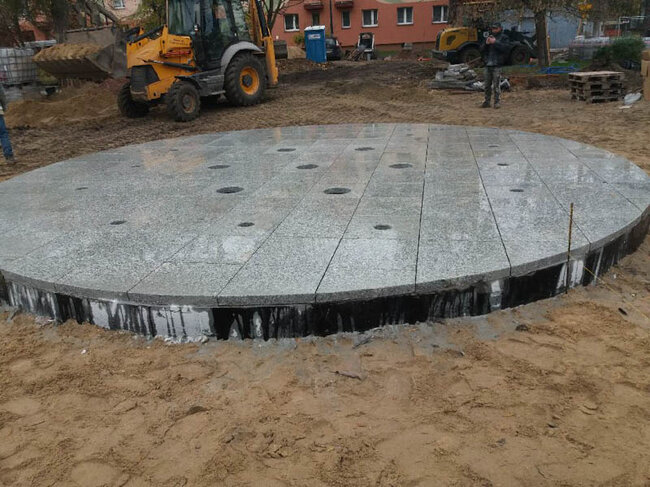
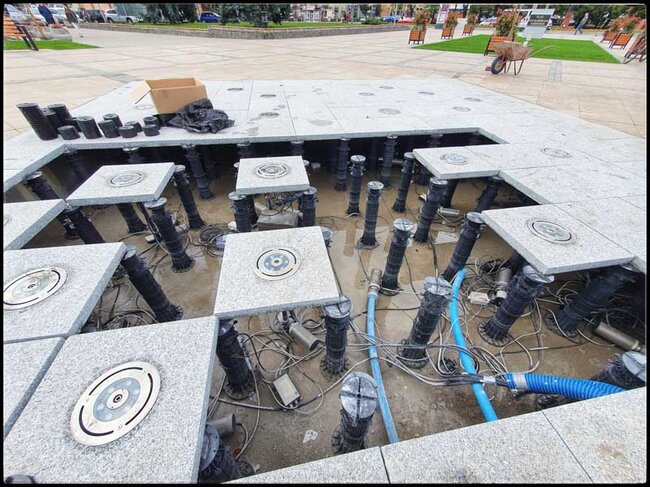
The raised deck system is ideal for fountains, as the pedestals are resistant to water.
Advantages:
- quick water drainage through the gaps between pavers
- possibility of installation below the paver surface
- water resistance
How to match the application to the project?
The choice depends on:
1. Location
- garden → greater freedom in materials
- balcony → lightweight solutions
- roof → waterproofing protection
2. Loads
- heavy (commercial) → concrete / stone
- standard → porcelain / WPC
See also: Loads and load-bearing capacity of a raised deck terrace - what is worth knowing?
3. Functions of the terrace
- leisure
- representative
- technical
Summary
Raised deck terraces are used in:
- private gardens and homes
- balconies and loggias
- building roofs
- commercial projects
- renovations of existing surfaces
- technical spaces
- fountains
It is their versatility that makes them one of the most frequently chosen terrace systems today.
FAQ
Can a raised deck terrace be built anywhere?
In most cases, yes – the system is very flexible and adapts to the conditions.
Where does it work best?
On roofs, balconies, and in commercial projects.
Can a terrace be built on an old substrate?
Yes, this is one of the system's greatest advantages.