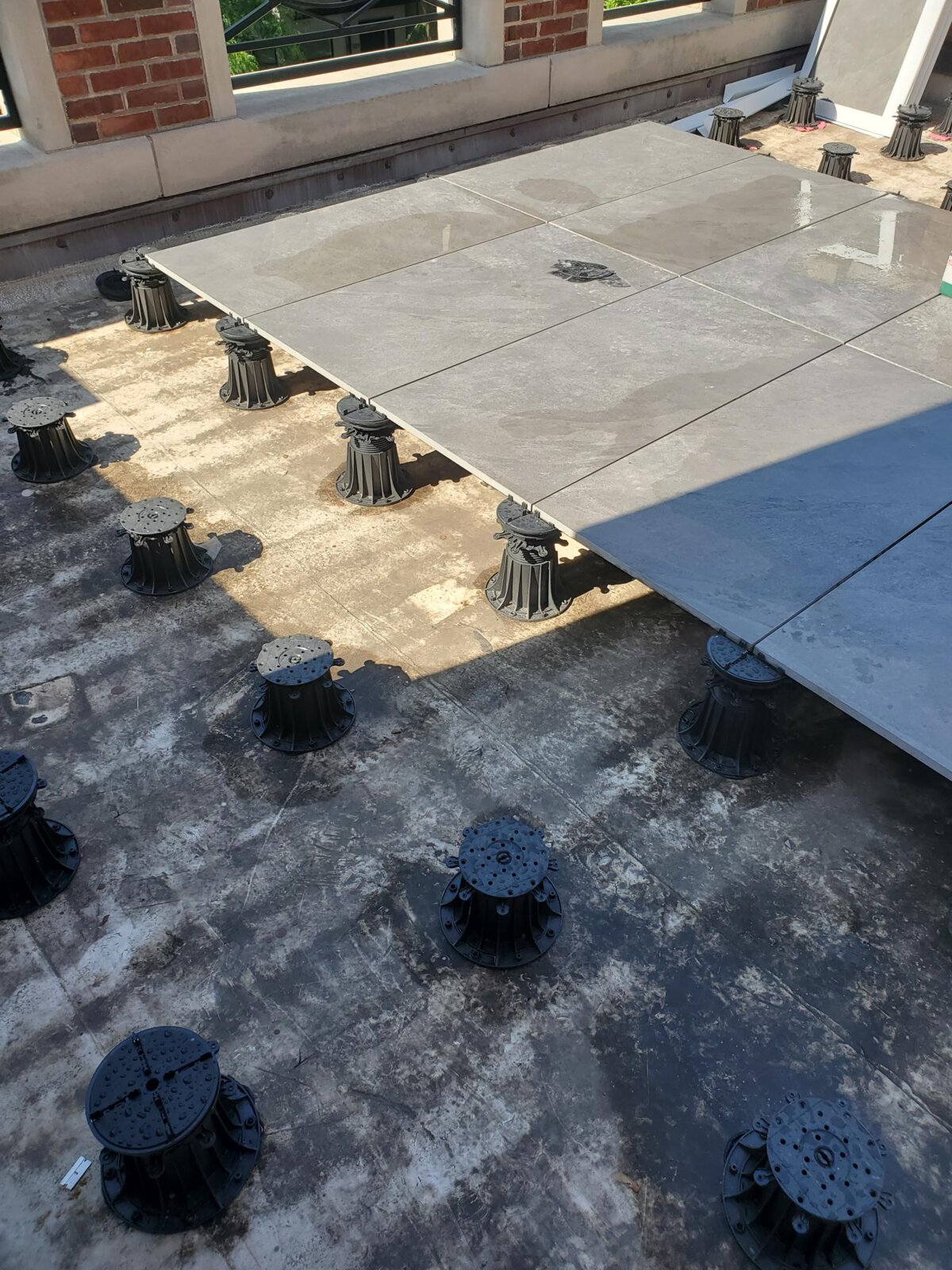
As a manufacturer of adjustable pedestals, we know that building a safe, beautiful, and durable outdoor space comes down to one key factor before even a single element is installed: rigorous load testing.
Understanding why load testing matters helps both project owners and professional installers choose the right system and ensure long-lasting peace of mind.
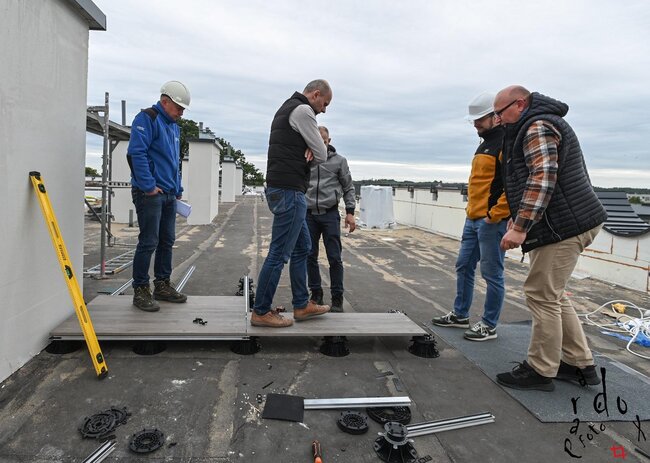
What Load Testing Actually Measures
Load testing is the process of assessing how much weight an adjustable pedestal can withstand before it deforms, cracks, or fails completely. Because pedestals carry the combined load of surfacing materials (such as heavy stone pavers or porcelain tiles), furniture, planters, gathered guests, and dynamic environmental forces, they must withstand much more than just "static weight."
Comprehensive load testing evaluates performance under several real-world conditions:
- Maximum load capacity: The maximum force a pedestal can withstand before structural failure occurs.
- Uniform vs. concentrated loads: How well the pedestal distributes weight across its base, stem, and upper slope corrector components.
- Eccentric and lateral loads: How the pedestal behaves when weight is applied off-center or when lateral (side-to-side) forces act on the raised floor.
- Creep and temperature resistance: Testing performance under constant load over time, as well as in extreme heat or frost conditions.
Why Load Testing Matters For Every Project Participant

1. Unwavering safety and structural integrity
Safety is a fundamental requirement of every raised floor project. As a manufacturer of adjustable pedestals, our primary responsibility is to ensure that no pedestal collapses under unexpected weight. Strong winds, heavy crowd loads or dense architectural elements (such as outdoor kitchens or large stone elements) create significant multidirectional stresses. Proper testing guarantees that pedestals maintain structural integrity both during normal use and in extreme conditions.
2. Long-term reliability and durability
A pedestal may perform well on the first day, but what about the tenth year? Over time, materials exposed to weather conditions, sunlight, and continuous load can fatigue. Verified load tests help engineers analyze material performance under continuous load (creep resistance), ensuring that pedestals will not slowly compress, settle, or deform over years of use. This long-term stability prevents uneven surfaces, tripping hazards, and damaged paver edges.
3. Precise engineering and product development
Load testing is not just quality control at the end of the production line — it determines the way we design our products from the ground up. As a manufacturer of adjustable terrace pedestals, testing allows us to precisely adjust wall thickness, optimize internal rib patterns, and refine height adjustment threads. By identifying mechanical stress points in the laboratory, we can design stronger, lighter, and more efficient pedestals for outdoor applications.
4. Confidence for architects, contractors and clients
For architects and structural engineers, specifying a raised floor system requires reliable engineering data. Accurate load test results provide clear load-bearing values, allowing designers to calculate the required safety margins with full confidence. For contractors, working with tested systems means fewer warranty issues, faster approvals and the assurance that the installed floor meets the construction requirements.
See also: Clever Level 80-200 mm pedestal, 3 mm for tiles & decking
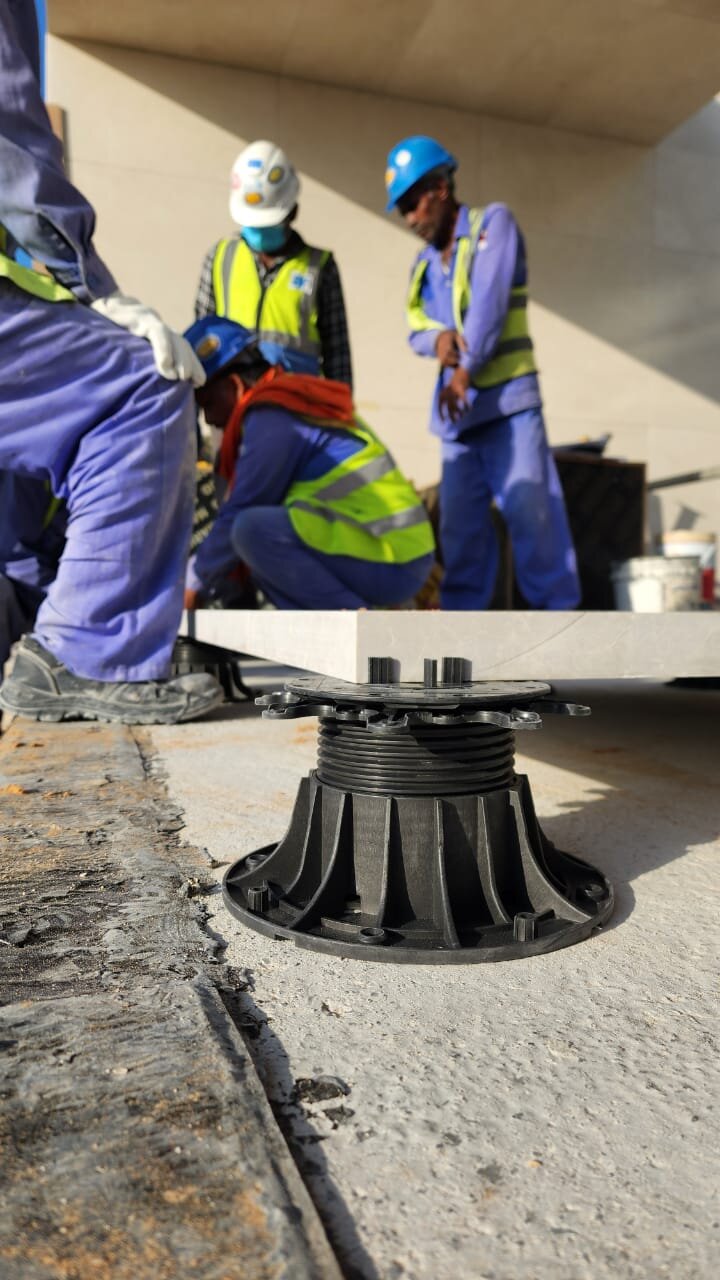
Designing With Real-World Requirements In Mind
Laboratory testing provides essential numerical data, but success is determined by application in real-world conditions. Raised deck terraces serve everything — from casual outdoor dining to commercial rooftop gardens. By subjecting pedestal systems to rigorous load testing during development, manufacturers ensure that every pedestal delivered to the construction site offers predictable, certified performance, keeping surfaces level, stable, and durable.