


Durability of a raised deck terrace
A raised deck terrace is a durable system resistant to weather conditions, but only when it is properly constructed and used. A properly constructed terrace can bear thousands of kilograms of load. When
problems arise, they usually do not stem from the technology itself, but from incorrect design or installation decisions.
Below, we present a list of things that absolutely must not be done on a raised deck terrace, along with their potential consequences.
If you are planning installation:
See also: Installation of a raised deck terrace - step-by-step instructions
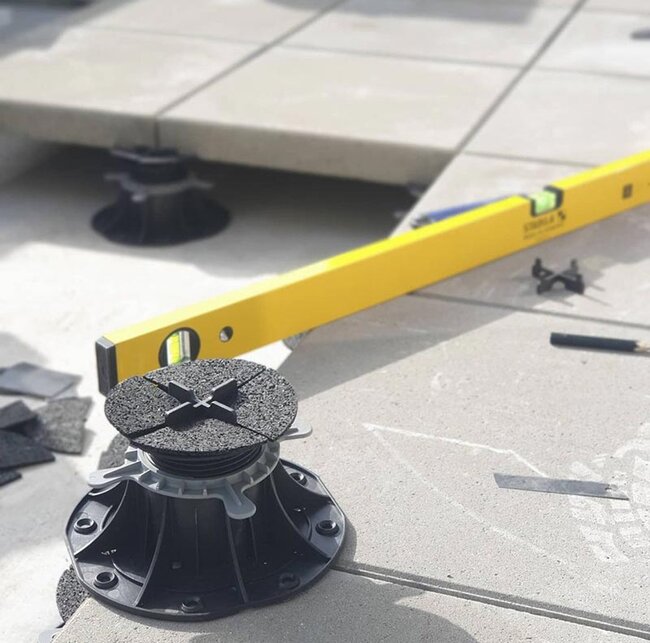
1. Pavers should not be laid without a stable base
This is one of the most serious mistakes, as its consequences lead to dangerous situations such as the loss of stability of the entire system.
Mistake:
The substrate on which the system is placed is soft, not compacted, or not load-bearing.
Consequences:
- pedestals sinking
- uneven surface
- cracking of pavers
Solution:
- prepare a stable base (ground or screed)
- use concrete or gravel sub-bases
- properly compact the substrate before laying the pedestals
- check the hardness
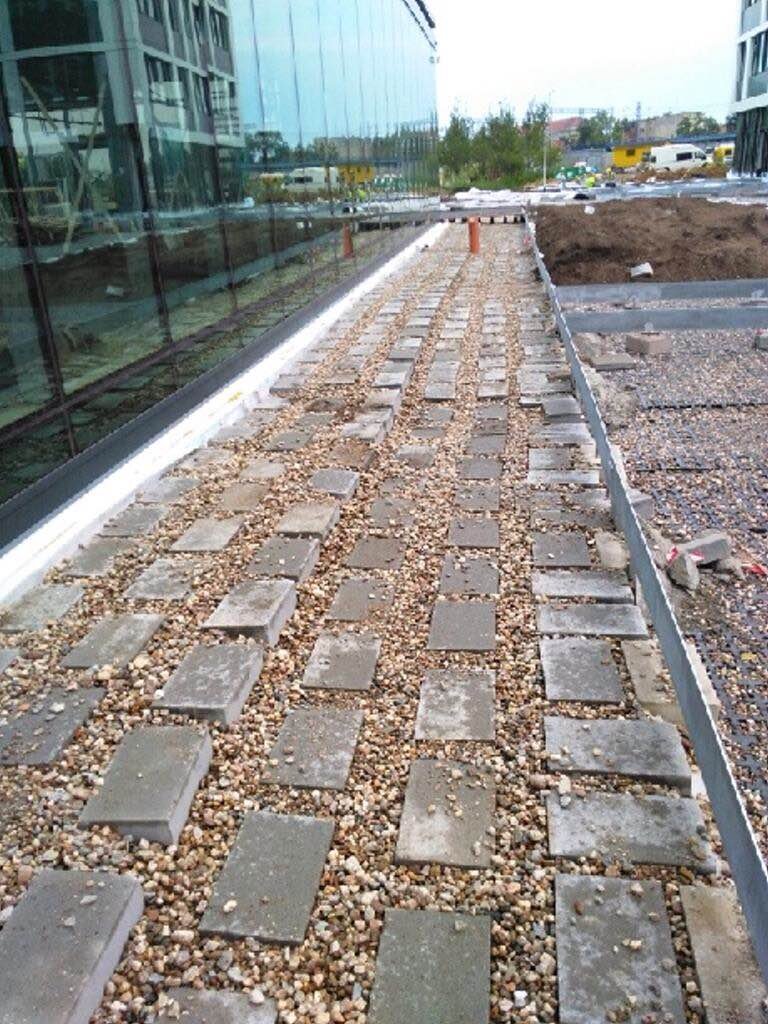
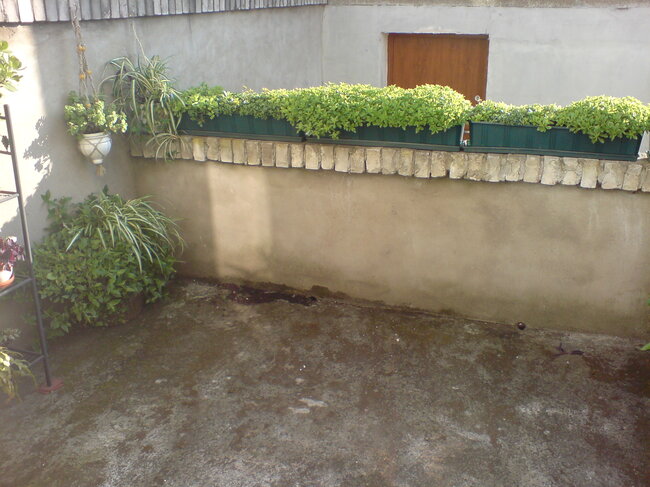
2. The slope should not be ignored
A raised deck terrace must have a slope in the substrate to properly drain water. The exception is a terrace on the ground, where the drained water seeps into the soil.
Mistake:
Lack of proper slope towards the drain or gutters
- slope in the wrong direction
Consequences:
- water pooling
- overloading of the structure
- degradation of the waterproofing membrane
Solution:
- create a slope of 1.5–2%
- design a water drainage system
See also: 5 reasons why water remains on the terrace after rain
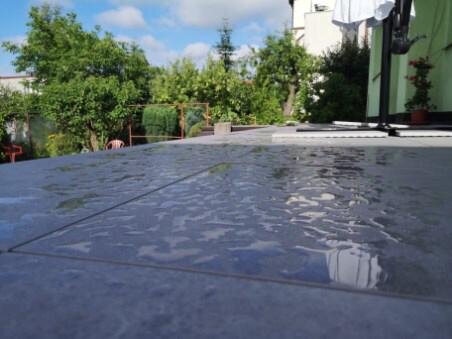
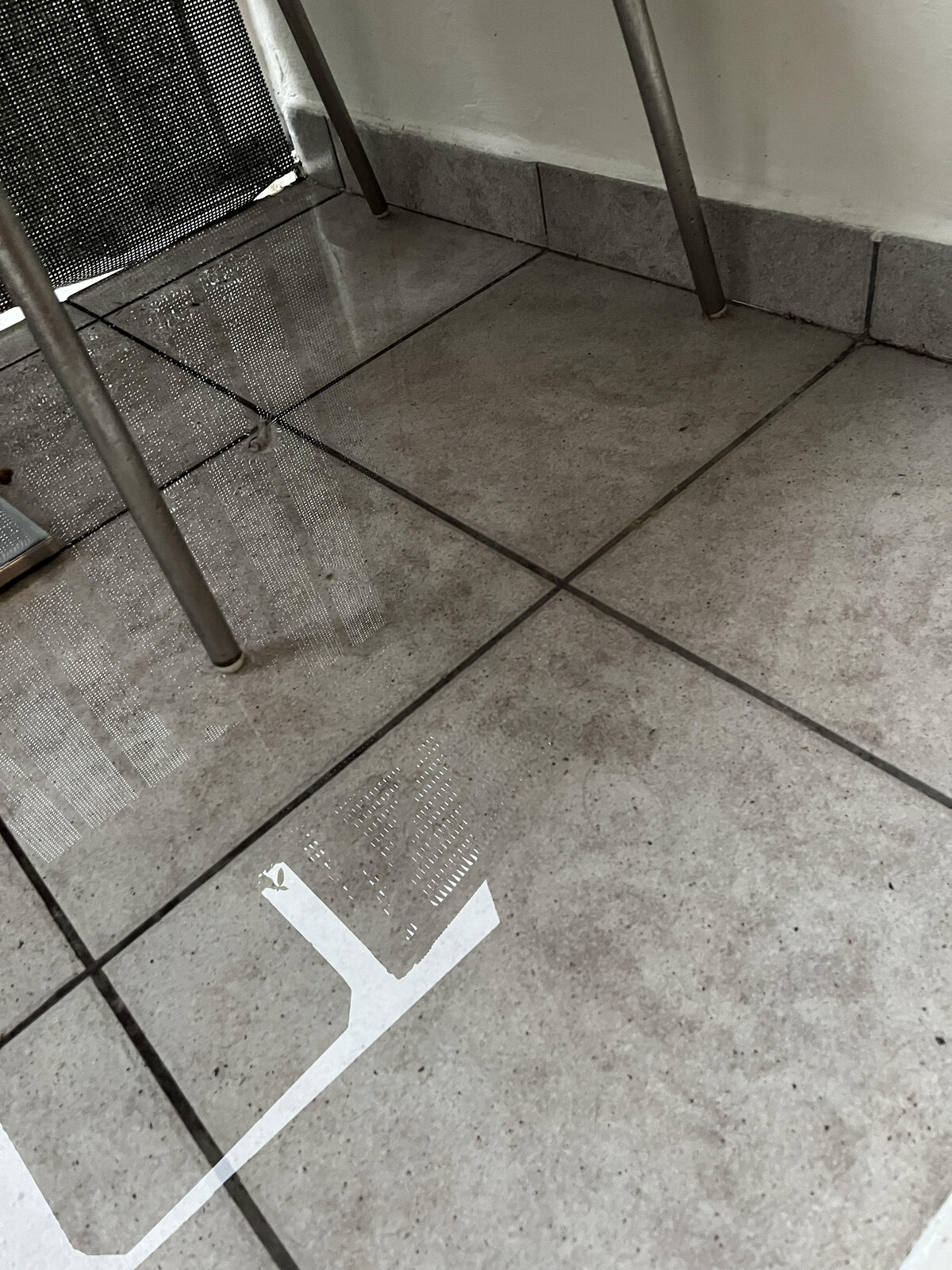
3. Pavers should not be laid "flush"
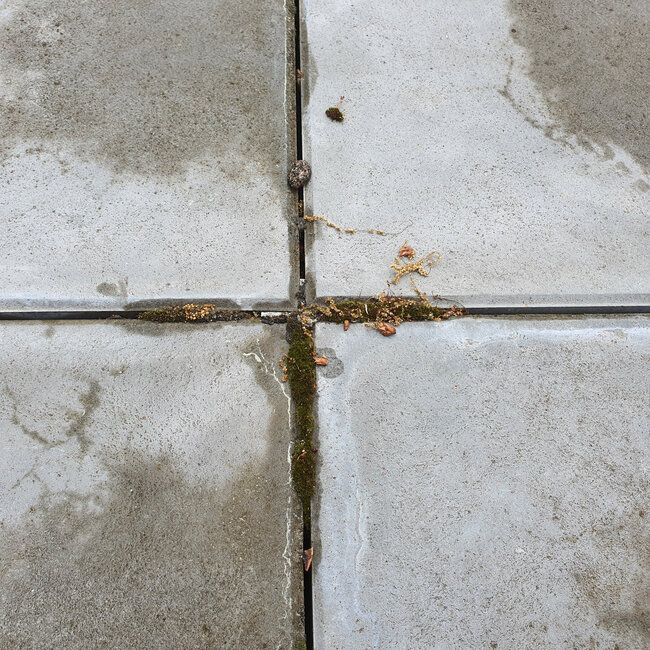
The lack of gaps between pavers is a serious mistake that can result in damage not only to the paver, but also to vertical structural elements, such as walls or parapets.
Mistake:
Laying pavers without expansion gaps inside and at the edges of the terrace.
Consequences:
- no water drainage
- edge damage
- no compensation for thermal expansion
Solution:
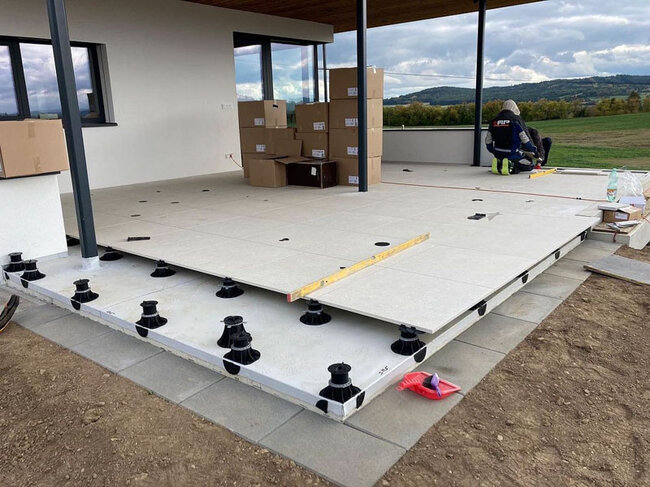
- using 3 mm or 5 mm spacers on pedestals
- using up to wall clips at the terrace edges near walls
Gap or joint on an external terrace - how to choose the right width?
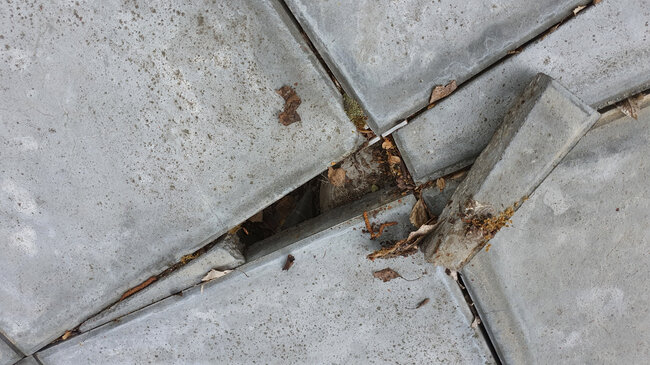
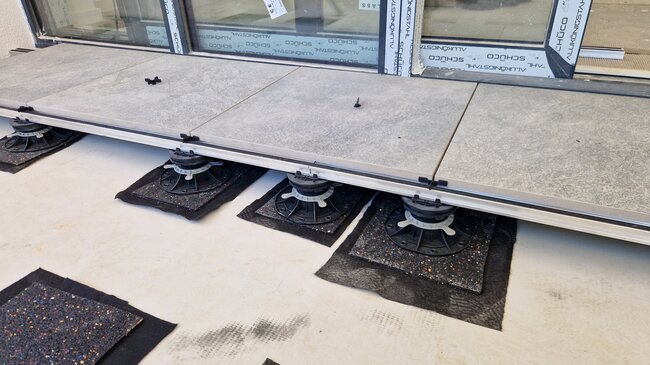
4. You should not use an inappropriate spacing of pedestals
Mistake:
Too sparse spacing of pedestals under pavers or joists leads to damage.
Consequences:
- sagging of pavers or joists
- cracking of pavers
- lack of structural stability
Solution:
- adjusting the pedestal spacing to the paver format
- using additional supports under loads
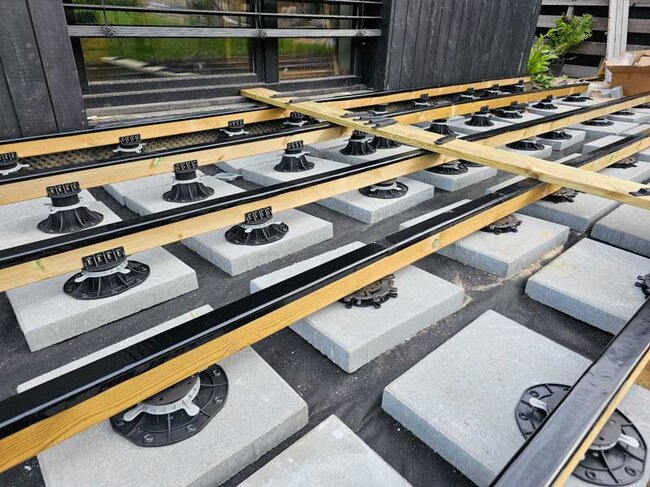
5. The structure should not be overloaded
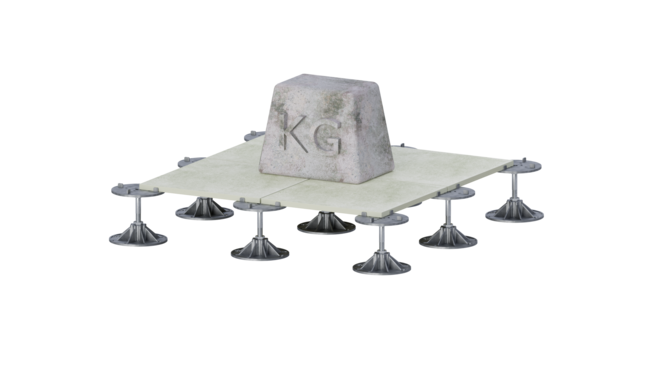
A raised deck terrace has a specific load-bearing capacity, which is determined by the strength of the balcony as well as all the components that make up the raised deck terrace.
Mistake:
Overloading the terrace too much with additional dynamic and live loads without taking them into account beforehand.
Consequences:
- collapse of the structure
- cracking of pavers
- deformation of the terrace
Solution:
- load analysis
- increasing the density of pedestals
See also: Loads and load-bearing capacity of a raised deck terrace - what is worth knowing?
6. Details should not be ignored
Mistake:
Not including solutions in the design at critical points, such as: thresholds, drains, corners, terrace edges.
Consequences:
- drainage problems
- terrace instability
- poor aesthetics of the terrace surface
Solution:
- planning details before installation
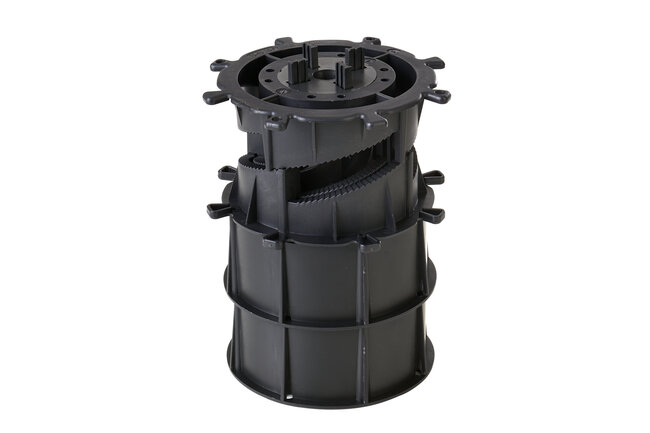
- using appropriate accessories
See also: Accessories for raised deck terraces – system elements that determine durability
7. You should not treat the terrace like a glued system
A raised deck terrace works differently than a glued terrace, it requires neither adhesive nor grout, so treating it the same way is a mistake.
Mistake:
Mixing technologies and trying to "stiffen" the system with adhesive
Consequences:
- loss of system advantages
- problems with water drainage
See also: Installation of the terrace without permanent gluing
Summary
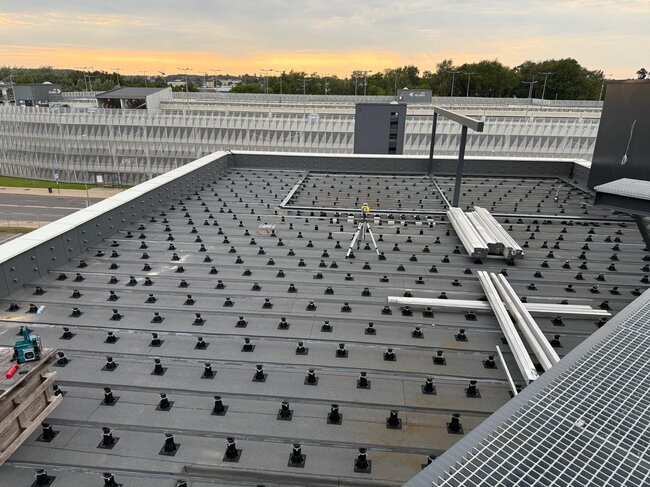
The most common mistakes on raised deck terraces result from ignoring system principles.
The most important things you should not do:
- installing a terrace on an unstable substrate
- lack of slopes and drainage
- lack of expansion joints
- incorrect spacing of pedestals
- not accounting for additional loads
Avoiding these mistakes guarantees a durable and trouble-free terrace for years.
FAQ
Can errors be repaired after installation?
In many cases, yes, the raised deck system allows for corrections without dismantling the entire structure.
Is the lack of gaps a serious problem?
Yes, it is one of the most common causes of damage.
What is the most common mistake?
Lack of a stable base and incorrect spacing of the pedestals.