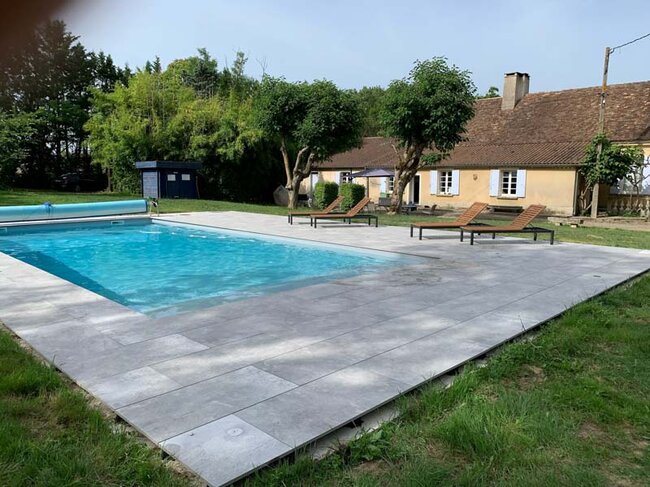
What is a raised deck terrace?
A raised deck terrace is a surface supported by adjustable or fixed pedestals that elevate the paving above the ground.
Thanks to the use of terrace pedestals, it is possible to create surfaces from ceramic, concrete, stone pavers, as well as wooden and composite boards on virtually any type of substrate.
Between the surface and the substrate, a technical space is created that allows for:
- free water drainage,
- ventilation of the structure,
- routing of electrical installations,
- routing of lighting cables,
- routing of water installations,
- easy service access to hidden components.
Thanks to this, the system eliminates many problems typical of traditional terraces built using the adhesive method.
How does a raised deck terrace work?
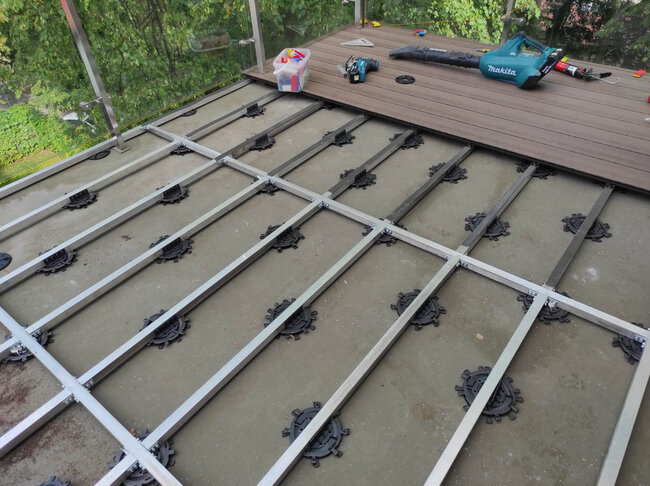
The basic element of the system are terrace pedestals.
They are responsible for:
- transferring loads
- leveling the surface
- compensating for ground slopes
- creating a ventilation space
The following can be mounted on the pedestals:
- ceramic (porcelain) pavers
- concrete pavers
- stone pavers
- wooden joists
- composite joists
- aluminum joists
Rainwater does not remain on the terrace surface, as it flows through the gaps between the surface elements and goes directly onto the waterproofing layer, drainage layer, or ground.
Where can a raised deck terrace be used?
One of the greatest advantages of this technology is its versatility and wide range of applications.
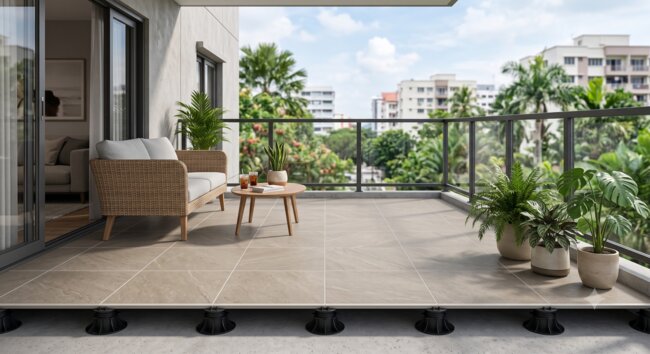
Raised deck terrace on a balcony
The pedestal system allows you to quickly level out balcony unevenness and raise the surface level to the height of the door threshold. This makes the balcony more comfortable and aesthetically pleasing.
Additionally, the pedestal system is lighter than adhesives and mortars, and protects the insulation, which has a significant impact on the durability of the structure and the preservation of its aesthetics.
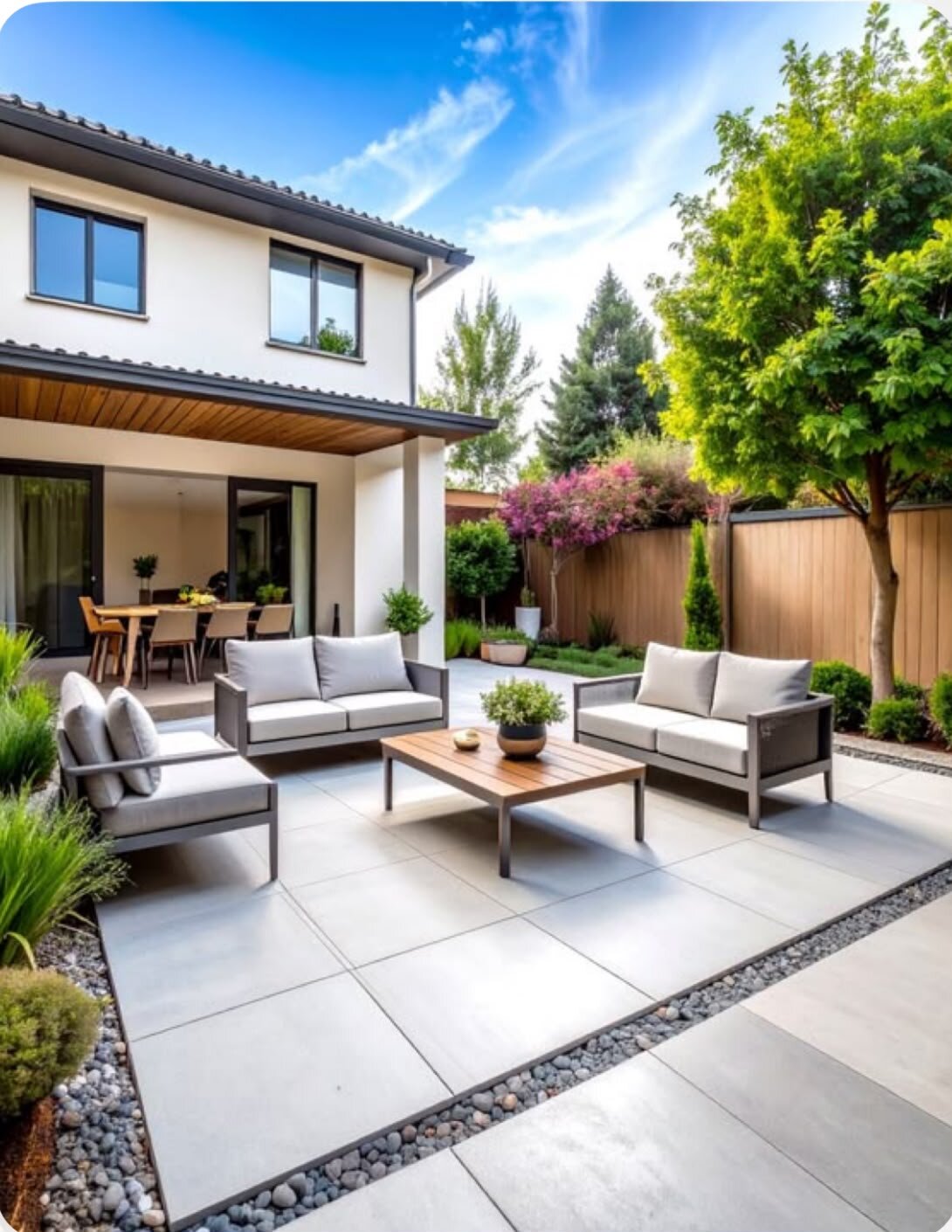
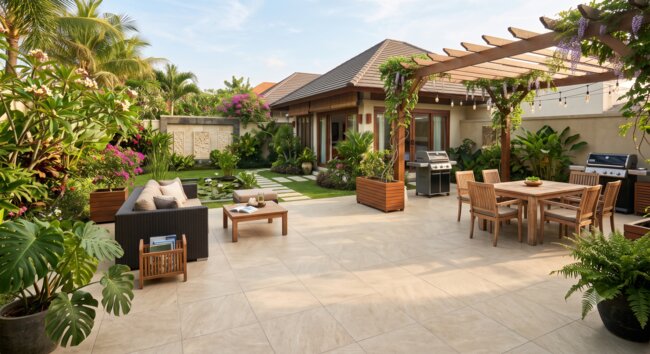
Raised deck terrace at home
This is currently one of the most popular applications of terrace pedestals.
For residential terraces, the system enables:
- quick installation,
- easy maintenance,
- aesthetic finishing,
- the possibility of running installations beneath the surface.
The installation is simple enough that it can be done by yourself.
Raised deck terrace on a roof
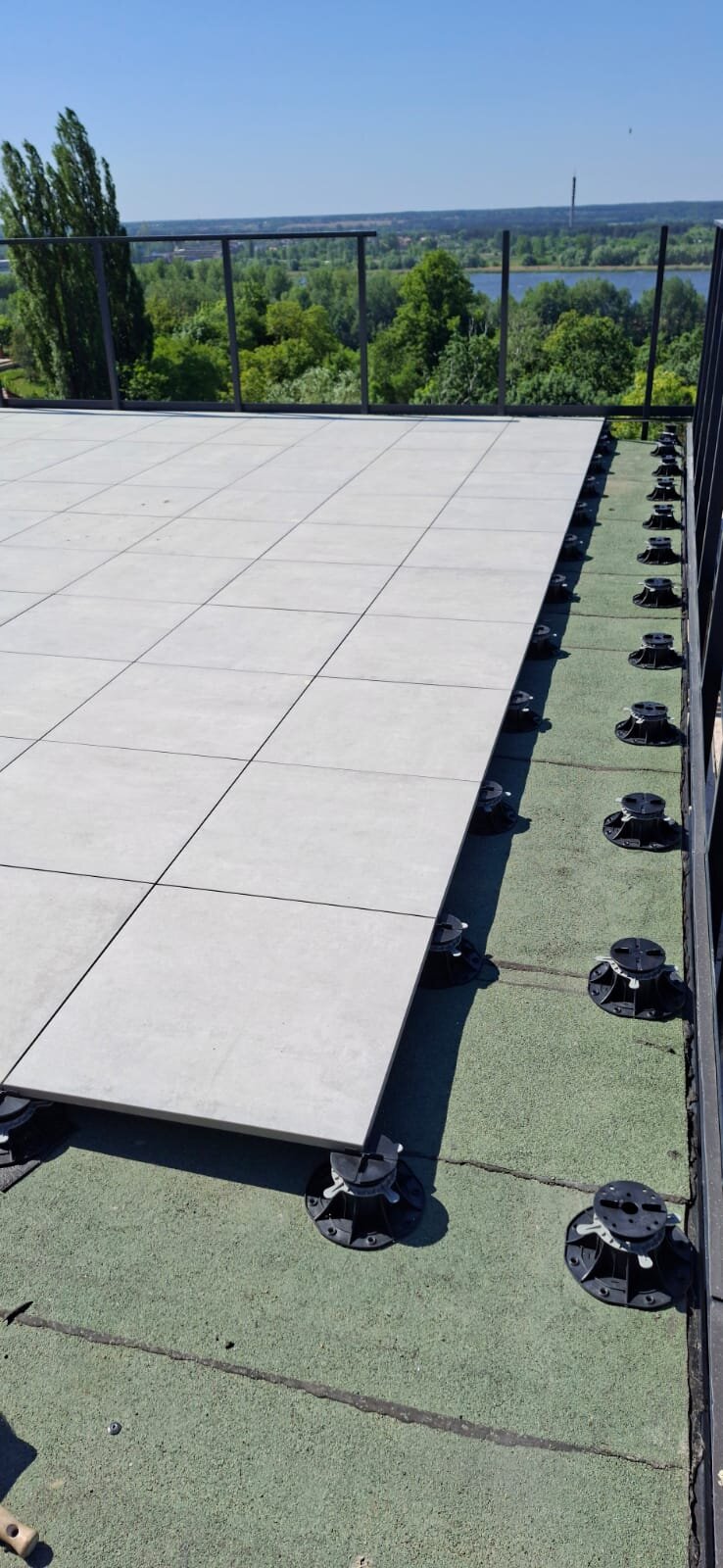
Roof terraces are perfectly suited for raised deck terrace technology, largely due to the rapid drainage of water, which on flat roofs must be quickly channeled away. A raised deck terrace conceals the slopes beneath its surface, making the terrace comfortable to use.
The system allows you to:
- protect the waterproofing,
- maintain access to roof drains,
- create recreational surfaces,
- conceal technical installations.
Commercial terraces
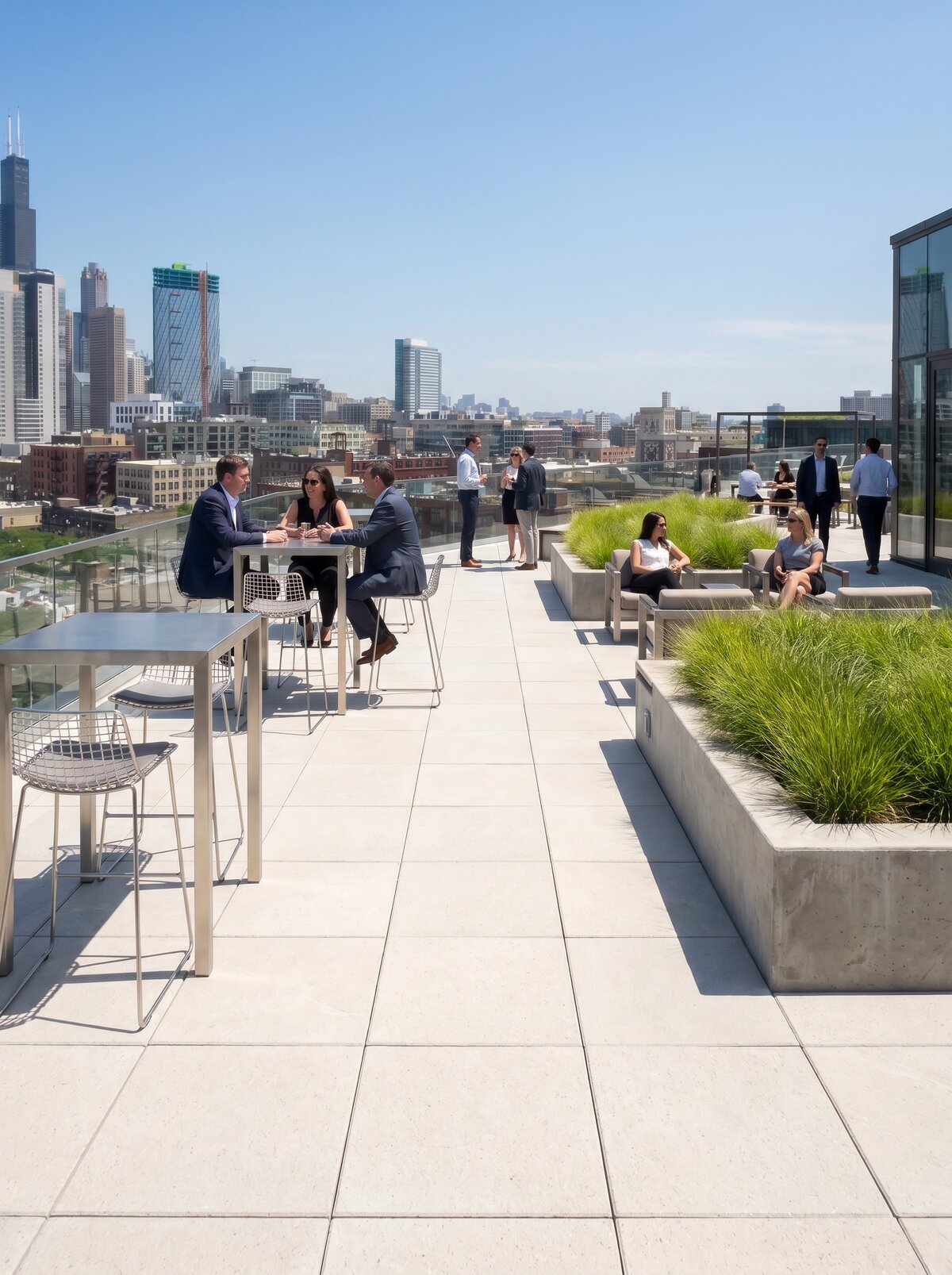
Raised floor technology is also used in many public places such as:
- hotels,
- restaurants,
- office buildings,
- shopping centers,
- SPA facilities.
Quick installation
The so-called "dry" installation. In this case, the following are not used:
- adhesives,
- mortars,
- grouts,
- wet construction processes.
Installation proceeds faster than in traditional glued systems, which reduces labor costs.
No water pooling
Actually the most important advantage of the raised deck system - water flows through the gaps between the pavers and goes directly to the drainage system.
Thanks to this:
- the surface dries faster,
- the risk of frost damage is reduced,
- the risk of leaks is reduced.
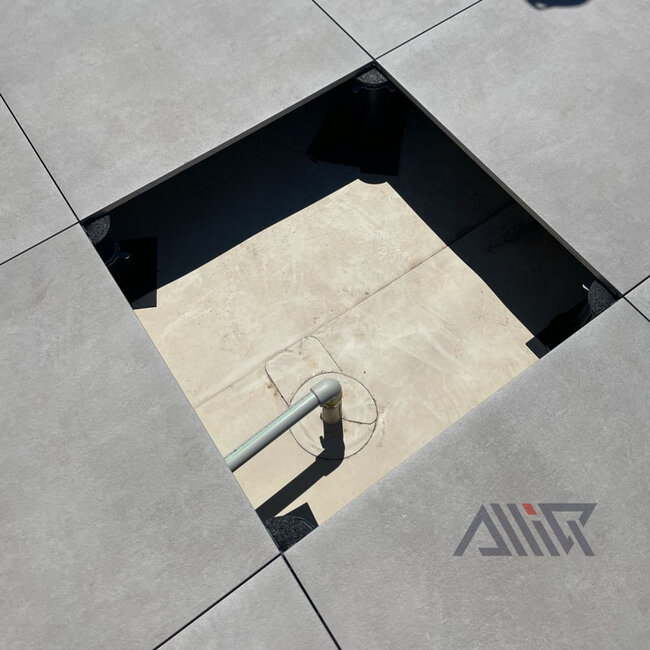
Easy service access
An exceptionally convenient system, especially when running installations beneath the terrace surface. If needed, a single paver can be lifted to gain access to:
- waterproofing,
- electrical installations,
- drainage,
- technical conduits.
Leveling Capability
Adjustable pedestals allow for leveling out uneven ground and compensating for slopes. Thanks to accessories, they can compensate for up to 15% of the terrace slope, which in the case of a traditional glued terrace would be very inconvenient to use.
Despite the slope of the ground, the usable surface remains perfectly level.
Easy replacement of damaged elements
Repairing a fault on a glued terrace often means dismantling the entire terrace. In a raised deck system, a damaged paver can be replaced without having to dismantle the entire terrace.
What surfaces can be used on a raised deck terrace?
Raised deck terraces are a versatile solution not only because of the types of locations where they can be used, but also because of the wide selection of usable surfaces.
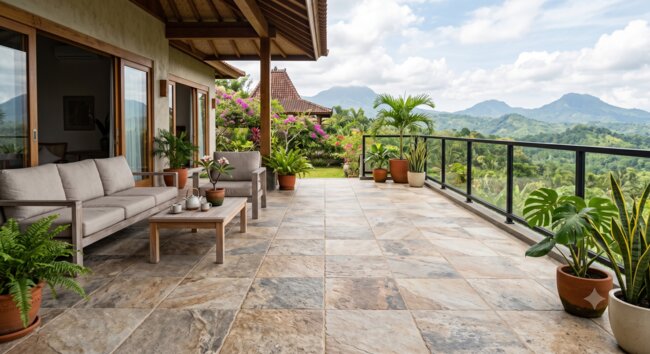
Ceramic pavers
The most popular solution.
Advantages:
- low water absorption,
- high resistance to staining,
- easy to keep clean,
- wide selection of patterns.
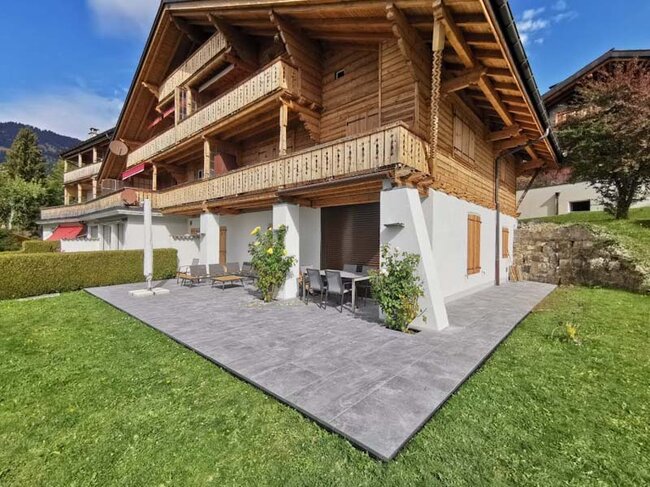
Concrete pavers
A solution often used for:
- garden terraces,
- public spaces,
- housing developments.
They are characterized by high durability and an attractive price.
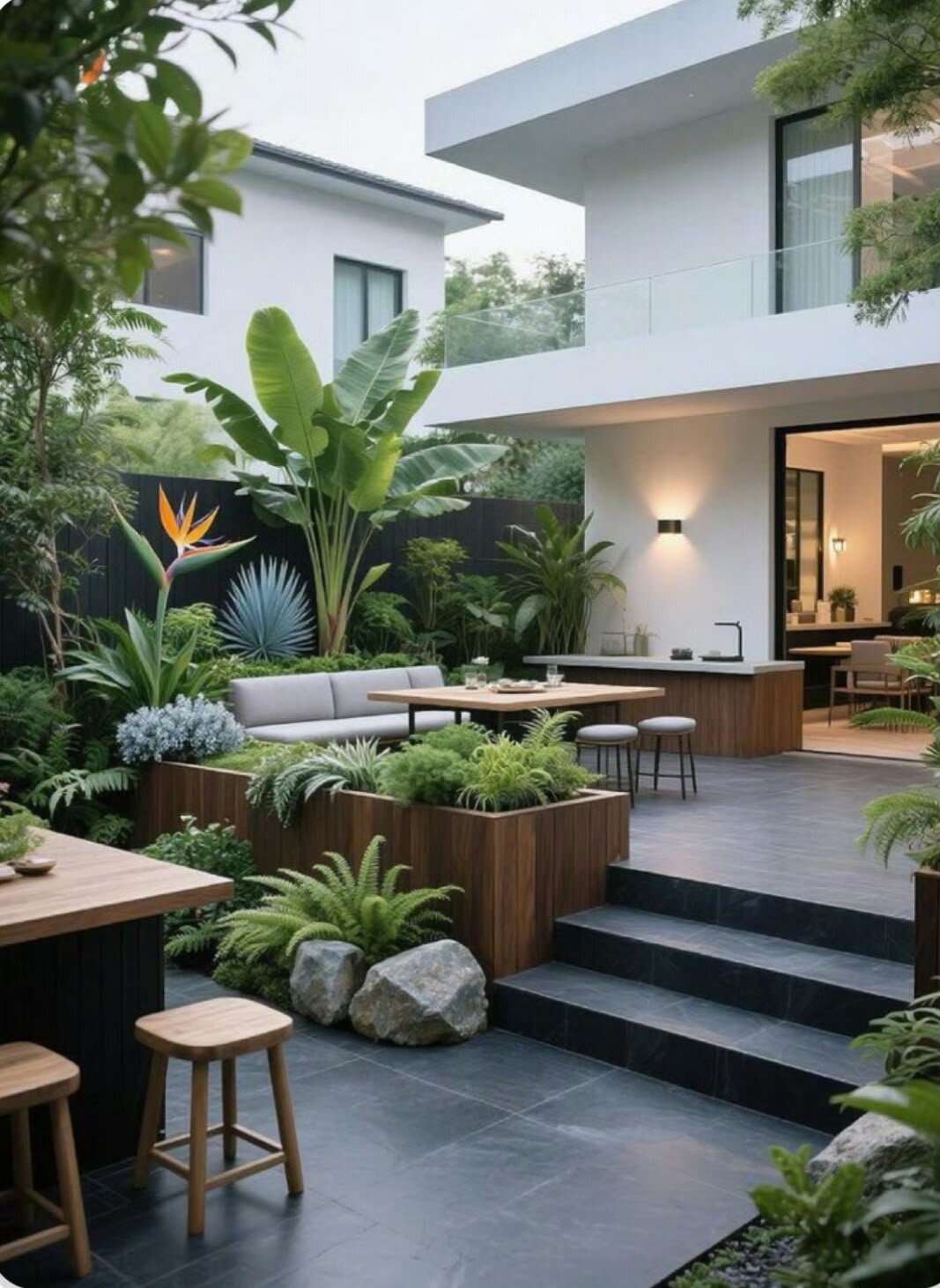
Natural Stone
For investors seeking a unique look.
Most commonly used:
- granite,
- basalt,
- porphyry,
- syenite.
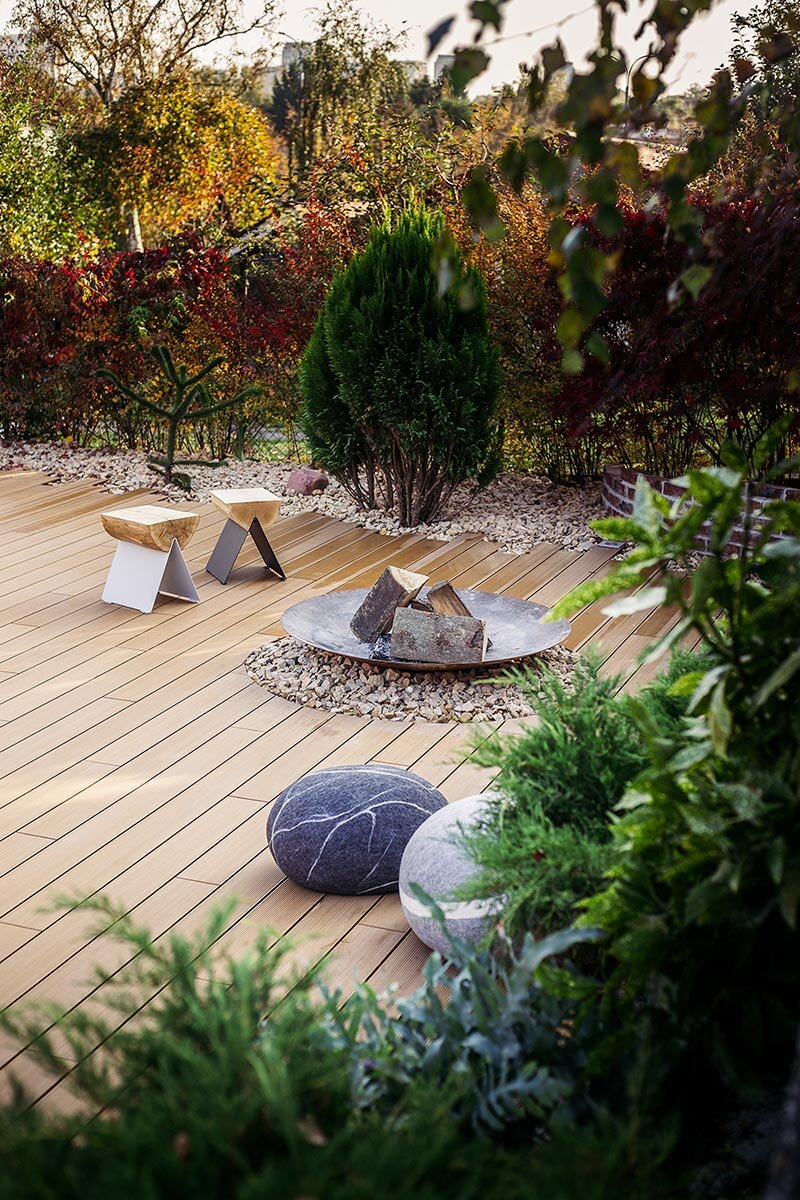
Composite decking boards
For those seeking the look of wood with minimal maintenance.
Key advantages:
- resistance to moisture,
- no need for impregnation,
- easy cleaning.
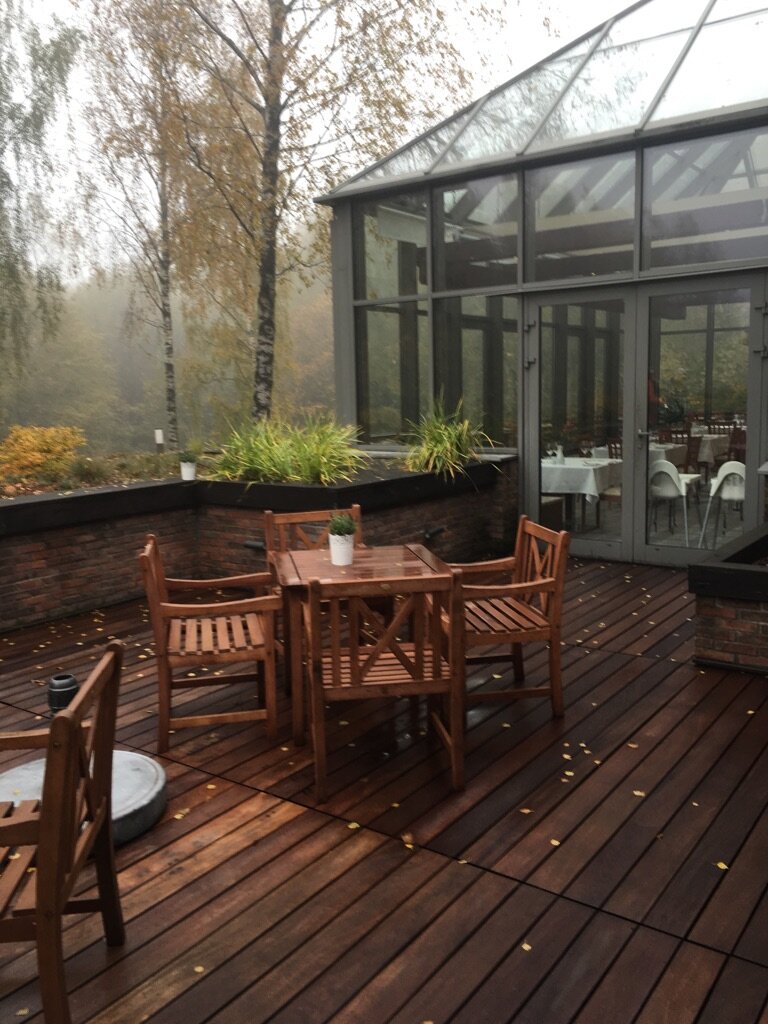
Wooden Decking
Natural wood remains one of the most prestigious finishing materials.
The most commonly used species:
- Siberian larch,
- exotic wood,
- thermowood.
Mosaics, artificial, grasses and other coverings
Thanks to the use of accessories, we can lay various coverings on the terrace surface, according to our preferences.
After using the substructure grid, which still retains all the advantages of a raised deck terrace, we can lay both intricate mosaics and artificial grasses on it.
How does the installation of a raised deck terrace proceed?
In a very brief summary, the installation process can be divided into several stages:
1. Terrace measurement
It is necessary to determine:
- length
- width,
- heights (what height is available for installation)
- slopes (what percentage and in which direction)
2. Selection of pedestals
The selection depends on:
- the height of the planned terrace
- the type of surface we are using
- the service loads (additional loads such as planters or jacuzzis)
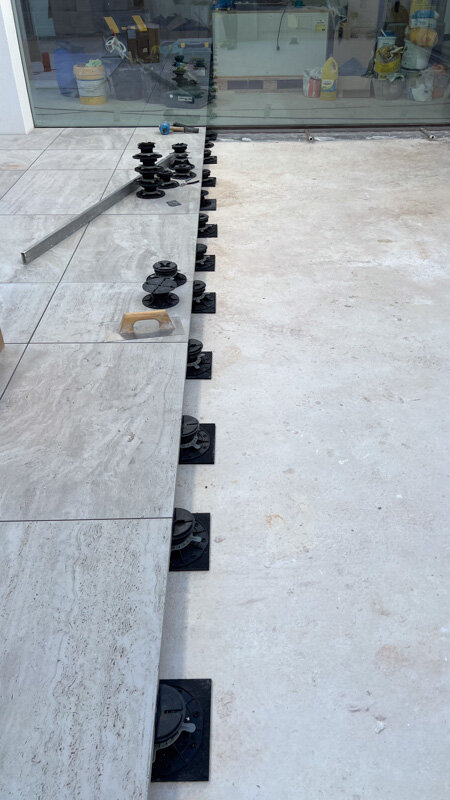
3. Placement of pedestals
Spacing depends on:
- paver format,
- type of joists,
- recommendations of the surface manufacturer.
4. Leveling
By adjusting the height of the pedestals, an even usable surface is achieved.
5. Installation of the surface
Pavers are laid on the pedestals or joists and boards are attached.
The height of the pedestals can be adjusted after laying the pavers or joists
How to choose the right surface?
If you care about minimal maintenance, the best choice will be:
- gres pavers,
- concrete pavers.
If you care about a natural look:
- natural wood.
If you are looking for a compromise:
- composite decking boards.
Each of these solutions can be safely installed using raised deck terrace technology.
Summary
A raised deck terrace is a modern technology that allows for creating a durable and aesthetically pleasing surface without the use of adhesives or mortars.
The most important advantages of the system are:
- quick installation,
- no water pooling,
- possibility of running installations,
- easy maintenance,
- leveling capability,
- wide selection of surfaces.
Thanks to terrace pedestals, you can create both a small balcony and an extensive rooftop terrace or commercial space. This is a solution that has been proven for years in both residential construction and the largest commercial projects.