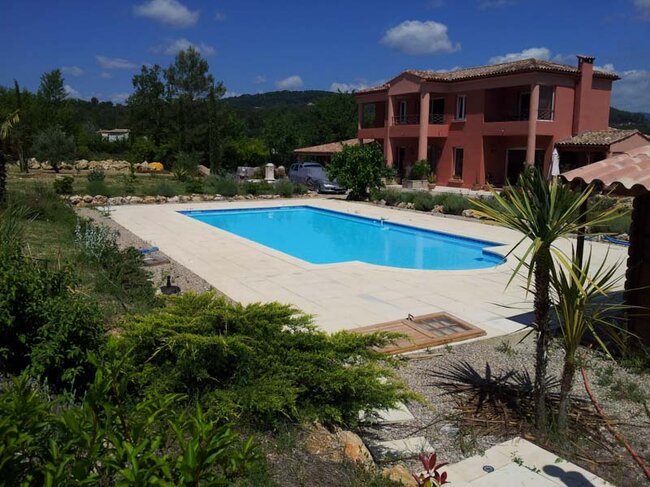
Understanding Adjustable Terraces
Adjustable terraces have revolutionized the way we approach outdoor installations, especially on challenging terrain. They offer a sophisticated solution for creating level and stable surfaces in an area that would otherwise be considered unusable. This innovative system allows for precise adjustments, ensuring a flawless finish regardless of the substrate.
What are adjustable raised deck terraces?
Adjustable raised deck terraces refer to a system that uses adjustable pedestals to support decking materials, such as wood, composites, or porcelain pavers, creating a perfectly level surface. These pedestals are designed to adjust to different heights and slopes on uneven ground, which allows you to build a terrace without extensive earthworks or the need for a perfectly flat concrete slab. The adjustable pedestal system provides a stable base for your terrace.
See also: Clever Level 25-40 mm pedestal, 3 mm for tiles & decking
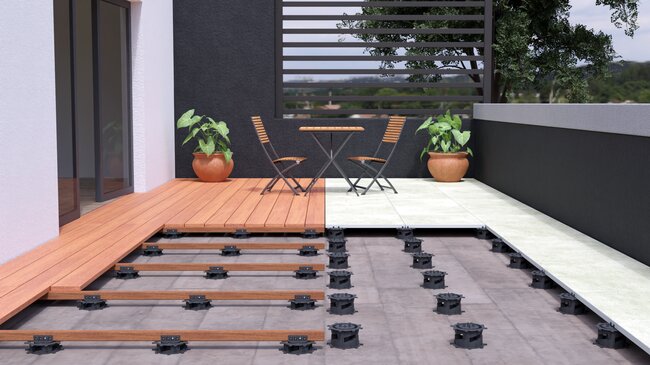
Benefits of using adjustable pedestals
Benefits of using adjustable pedestals are numerous, especially when installing a terrace on uneven concrete or a sloping terrace. They eliminate the need for traditional substructures in many cases, simplifying the installation process. Adjustable pedestals provide excellent drainage, preventing water accumulation under the terrace, which is crucial for the durability of terrace materials. They also allow easy access to the space under the terrace for maintenance or running installations.
Types of Decking Materials
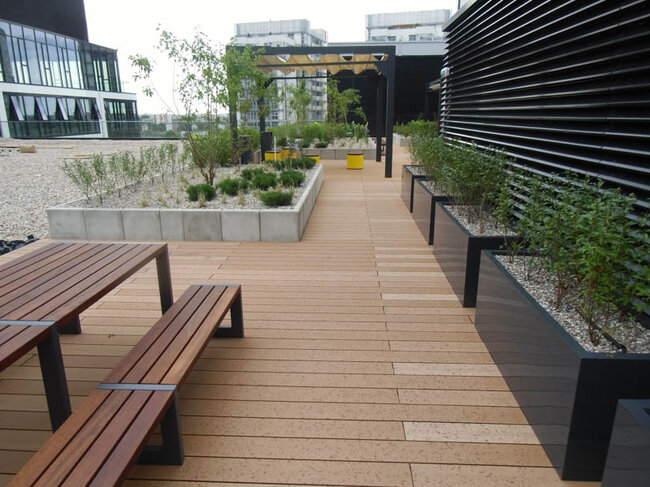
A wide range of decking materials can be used with the adjustable pedestal system, catering to diverse aesthetic preferences and functional requirements. Popular options include composite decking boards, known for their durability and low maintenance requirements, and porcelain tiles, which offer a sleek, modern look and exceptional weather resistance. Traditional decking materials such as Ipe wood or other wood options also remain a popular choice, providing natural beauty and warmth. Choosing the right material is crucial for your deck.
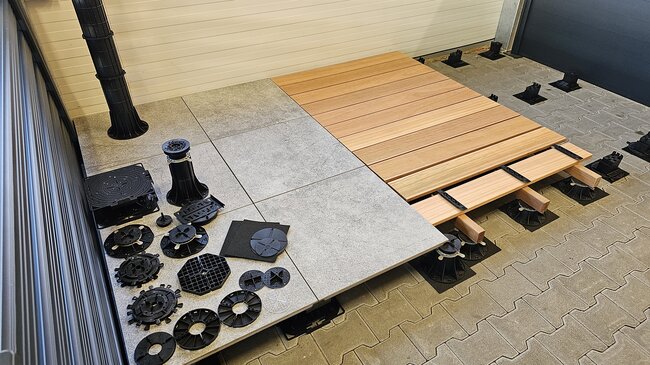
Planning the terrace installation
Assessment of uneven substrate
Before starting the construction of the terrace, a thorough assessment of the uneven substrate is crucial to ensure a stable and durable installation. This preliminary step involves evaluating the existing slope, identifying any irregularities, and determining the appropriate height adjustments needed for your adjustable terrace system. Understanding the unique characteristics of your specific uneven substrate will allow you to make the right material choices and develop the overall terrace design on pedestals.
Building Permits and Regulations
Navigating local regulations and building permits is a crucial step when planning terrace construction, especially for larger installations or those on challenging ground. Depending on the size and height of the planned terrace, it may be necessary to obtain specific permits. It is recommended to contact local authorities early to ensure compliance with regulations, which will help avoid potential delays or costly modifications to the terrace design on adjustable pedestals at a later stage.
Choosing the Right Deck Design
Choosing the right deck design is crucial for both aesthetics and functionality, especially when working with an adjustable pedestal system on uneven ground. Consider how the deck will integrate with the existing outdoor space, whether it is a small patio, an expansive terrace, or a roof. The choice of decking materials, such as wooden boards, composite decking, or porcelain tiles, will also significantly affect the overall look and character of your adjustable deck, providing an even and inviting surface.
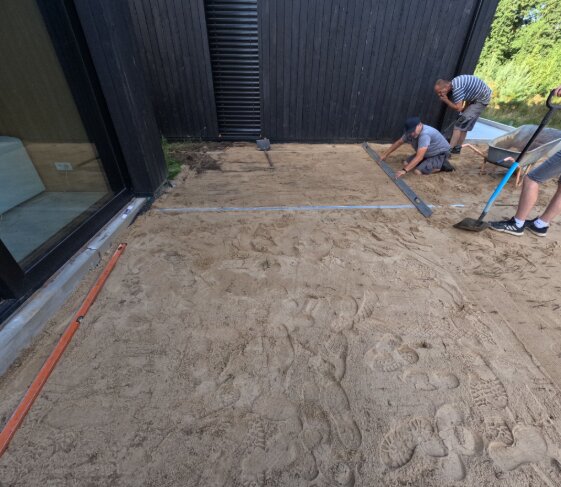
Step-by-step guide to building a terrace
Gathering materials and tools
Before starting the exciting process of building a terrace, it is essential to gather all the necessary materials and tools to ensure a smooth and efficient installation. This includes the chosen terrace materials – whether Ipe wood, composite, or porcelain tiles – along with adjustable pedestals, joist supports, and any specialized tools needed for cutting and fastening. Organizing everything in advance will streamline the construction of level terraces on uneven ground.
###
Site and Substrate Preparation
Proper site preparation is a fundamental step when installing a terrace on uneven ground with an adjustable pedestal system. This includes clearing the area of debris, ensuring adequate drainage, and creating a stable base for the pedestals. Although adjustable pedestals are designed to compensate for slope, a well-prepared base will provide an optimal foundation for the new terrace, whether it is located on a concrete slab, an existing patio, or directly on compacted ground.
Installing terrace pedestals
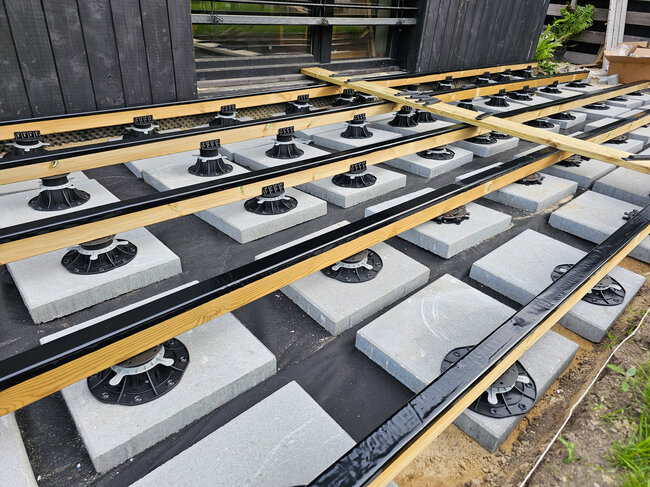
Installing terrace pedestals is a key stage in creating a stable and level terrace on uneven ground. Carefully place and adjust each terrace pedestal, ensuring proper spacing and alignment in accordance with the chosen terrace design and joist layout. These adjustable pedestals are designed to precisely adapt to various heights and slopes, enabling you to achieve a perfectly level surface for decking boards, regardless of whether you are using traditional wood or modern composite decking.
Laying deck boards on uneven ground
Spacing and leveling techniques
Achieving precise spacing and leveling is crucial when laying deck boards on uneven ground using an adjustable pedestal system. Adjustable pedestals allow for individual height adjustment, ensuring that each deck board or paver is perfectly leveled, even if the ground has a significant slope or unevenness. Careful measurement and even spacing of the pedestals, and then the joists, are essential for a stable and aesthetically pleasing terrace, creating leveled terraces that are safe and enjoyable to use.
Using pavers and terrace slabs on pedestals
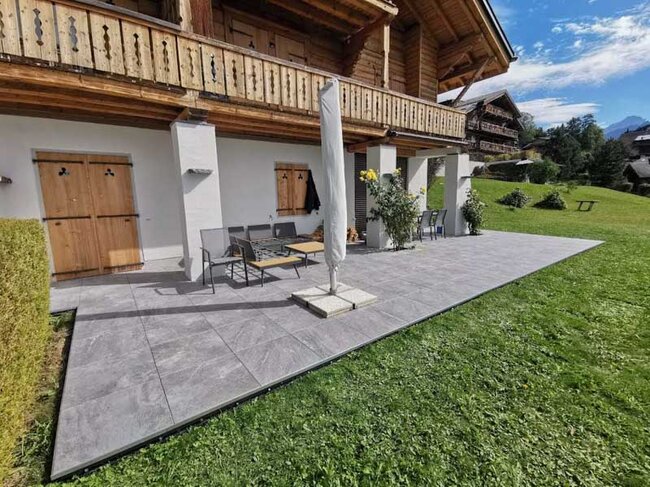
Using pavers and terrace slabs on pedestals offers a versatile and elegant solution for creating a durable and attractive terrace on uneven ground. Whether you choose porcelain pavers, natural stone tiles, or other large-format terrace materials, an adjustable pedestal system provides a solid and level base. This terrace installation method allows for excellent drainage and easy access beneath the terrace, making it an ideal choice for patios, terraces, and even rooftop installations, ensuring a modern and clean finish.
Final adjustments and finishes
Once the main decking boards or pavers are laid, final adjustments and finishes are crucial for perfecting your raised deck terrace project on adjustable pedestals. This includes double-checking the level of the entire terrace, making any necessary minor height adjustments to individual pedestals, and securely fastening all elements. Adding finishing trims, edge elements, or even lighting can significantly enhance the appearance and functionality of your new terrace, transforming uneven ground into a beautiful and usable outdoor space.
Maintenance of Your Terrace
Regular Inspections and Care
Regular inspections and care are crucial to ensure the durability and preserve the beauty of your terrace, especially when it is built on uneven ground with an adjustable pedestal system. Periodically check the stability of the terrace pedestals, the condition of the joists, and the integrity of the decking boards, regardless of whether they are wooden boards, composite, or porcelain tiles. Such a proactive approach helps identify and resolve minor issues before they escalate, protecting your investment and ensuring the safety of the terrace for years to come.
Dealing with weather-related damage
Dealing with weather-related damage is an important aspect of maintaining any outdoor terrace, especially those exposed to harsh conditions on uneven ground. Although the adjustable pedestal system provides excellent drainage and airflow, protecting against moisture accumulation, extreme temperatures and UV radiation can still affect terrace materials. Regular cleaning, applying protective sealers to wooden terrace surfaces, and promptly replacing damaged composite boards or porcelain pavers will help mitigate the effects of weather and extend the lifespan of the terrace.
Modernizing Decking Materials Over Time
Modernizing decking materials over time can breathe new life into an existing deck built with an adjustable pedestal system on uneven ground. If your current wooden deck boards show signs of wear or if you simply desire a different aesthetic, the ease of replacing deck boards or pavers on a pedestal system makes modernization straightforward. Switching to durable composite decking or elegant porcelain tiles can improve the appearance and reduce the maintenance requirements of your patio or deck, offering a fresh, modern look without having to build a deck from scratch.